DeFi, сокращение от «децентрализованные финансы»,, это система финансовых приложений, построенных на публичных блокчейнах, которая позволяет любому желающему предоставлять займы, брать кредиты, торговать, сберегать и получать доход без участия банков или брокеров. Вместо того чтобы полагаться на компании, DeFi использует смарт-контракты, открытый исходный код и криптоактивы для предоставления финансовых услуг непосредственно пользователям.
По своей сути, DeFi стремится воссоздать ключевые элементы традиционных финансов, используя прозрачный код и распределенные сети. Вы сохраняете контроль над своими средствами в собственном кошельке и взаимодействуете с протоколами, а не подписываете документы с банком или брокером. Такие платформы, как GhostSwap, упрощают подключение к этой экосистеме, позволяя мгновенно и без хранения средств обменивать одну криптовалюту на другую.
Что такое DeFi? Простое объяснение.
Чтобы понять, что такое DeFi, начните с того, как работают традиционные финансы.
Когда вы пользуетесь услугами банка, брокера или платежного приложения, ваши деньги хранятся на их счетах. Они ведут базы данных, определяют, кто получает к ним доступ, устанавливают правила и могут замораживать или блокировать транзакции. Вы доверяете им хранение ваших средств и соблюдение законов и правил.
DeFi переворачивает эту модель с ног на голову.
Вместо компаний, хранящих ваши деньги, вы храните свою собственную криптовалюту в кошельке, который контролируете с помощью своих приватных ключей. Вместо банков и брокеров вы взаимодействуете с программами, называемыми смарт-контрактами, работающими на блокчейнах, таких как Ethereum, Polygon, BNB Chain и других.
Эти смарт-контракты похожи на торговые автоматы для финансовых услуг. Внесите один актив, получите другой в соответствии с правилами, которые любой может проверить в коде. Никакого управляющего счетом, никакого филиала, никакой бумажной волокиты.
Проще говоря:
- DeFi, это финансы, управляемые кодом. вместо банков.
- Доступ к нему открыт для всех, у кого есть подключение к интернету.Как правило, без проверки личности клиента (KYC) или кредитной истории на уровне протокола.
- Вы сохраняете свои средства на хранение. В свой собственный кошелек, а не на счет компании.
Именно поэтому DeFi часто описывают как «открытые, программируемые деньги» или «банковские операции без банков».
Как работает DeFi?
Несмотря на то, что DeFi кажется простым в использовании после первого же применения, под капотом происходит много всего интересного. Вот как работают децентрализованные финансы на техническом, но доступном уровне.
Смарт-контракты на публичных блокчейнах
Большинство DeFi-приложений созданы на платформах смарт-контрактов, таких как Ethereum, который стал пионером в области программируемых денег, и совместимых сетях, таких как Arbitrum, Optimism, Polygon и BNB Chain.
Смарт -контракт, это самоисполняемый код, хранящийся в блокчейне. Он хранит средства, обеспечивает соблюдение правил и автоматически обновляет балансы на основе входных данных. Никто не может произвольно изменить его после развертывания, если только не предусмотрен путь обновления или управления.
Примеры смарт-контрактов DeFi:
- Автоматизированные маркет-мейкеры (АММ), позволяющие пользователям обменивать токены алгоритмическим способом.
- Кредитные пулы, которые сводят заемщиков и кредиторов по условиям залога и процентным ставкам.
- Контракты стейкинга, распределяющие вознаграждения в токенах между участниками.
Токены как программируемые активы
DeFi работает на криптовалютных токенах . Наиболее распространенный стандарт, ERC-20 в сети Ethereum, а на других блокчейнах используются аналогичные стандарты.
Токены могут представлять:
- Собственные активы как ETH или MATIC
- Stablecoins привязаны к фиатным валютам, таким как USDT, USDC или DAI.
- Жетоны управления которые предоставляют право голоса в рамках протокола
- Токены, приносящие доход которые отслеживают депозиты в протоколах кредитования или стейкинга
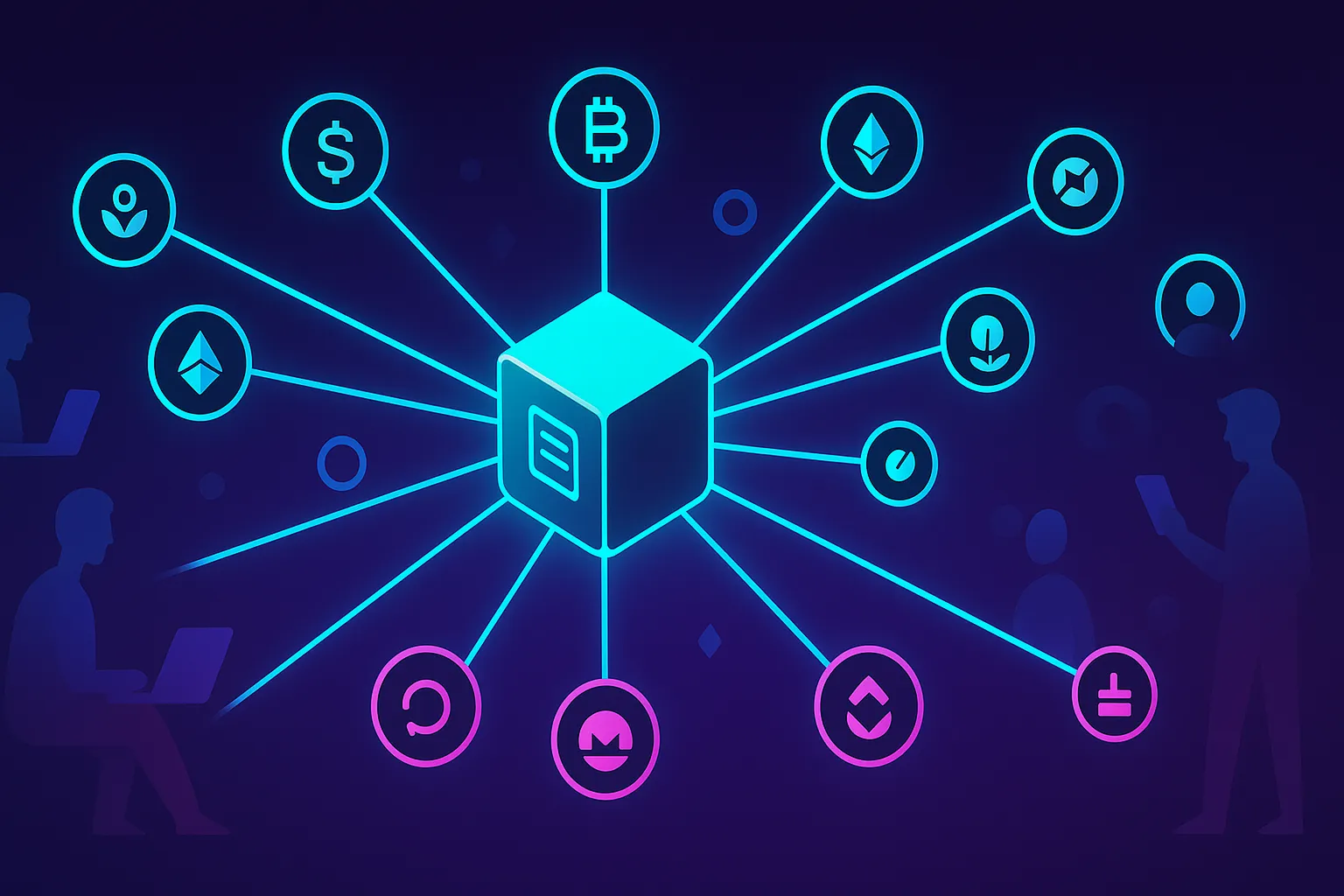
Поскольку эти токены используют стандартные интерфейсы, различные приложения DeFi могут взаимодействовать друг с другом. Именно из-за этой возможности компоновки DeFi называют «денежным конструктором Lego».
Кошельки и ключи, не предназначенные для хранения на хранение.
Доступ к DeFi обычно осуществляется через некастодиальные кошельки, такие как MetaMask, Rabby, Trust Wallet, или аппаратные кошельки, такие как Ledger и Trezor.
При использовании некастодиального кошелька:
- У вас есть собственные личные ключи.
- Кошелек подписывает транзакции, которые взаимодействуют со смарт-контрактами.
- Приложения фактически никогда не получают права собственности на ваши средства; они просто получают разрешение на их использование в соответствии с определенными правилами.
Это отличается от хранения монет на централизованном обменном счете, где ключи находятся у компании.
Автоматизированные маркет-мейкеры (AMM) и децентрализованные биржи (DEX)
Торговля, один из основных вариантов использования DeFi. Вместо централизованных книг ордеров, управляемых биржами, в DeFi часто используются автоматизированные маркет-мейкеры (AMM) для обеспечения работы децентрализованных бирж (DEX).
В автоматизированной системе управления мототехникой:
- Поставщики ликвидности вносят пары токенов в пул.
- Пул использует формулу ценообразования (подобную x*y=k в Uniswap v2) для формирования цен.
- Трейдеры обменивают токены напрямую на токены в пуле, уплачивая комиссию.
- Комиссии распределяются пропорционально между поставщиками ликвидности.
Эта модель позволяет создавать рынки для токенов с длинным хвостом без зависимости от традиционных маркет-мейкеров или централизованных систем сопоставления заявок.
Оракулы и внешние данные
Некоторым протоколам DeFi требуются данные вне блокчейна, например, цены активов. Они используют оракулы, такие как Chainlink, Python или Uniswap TWAP, для передачи достоверных данных в смарт-контракты.
Надежные оракулы особенно важны для:
- Протоколы кредитования и заимствования, которые создают риск ликвидации
- Производные финансовые инструменты и бессрочные фьючерсы
- Синтетические активы, отслеживающие внешние цены
Управление и DAO
Многие DeFi-проекты управляются децентрализованными автономными организациями ( DAO ). Держатели токенов голосуют по предложениям, таким как структура комиссий, новые функции или расходы из казначейства.
Токены управления не гарантируют права собственности в юридическом смысле, но они часто контролируют параметры протокола и потоки доходов. Именно этот уровень управления обеспечивает развитие DeFi с течением времени, а не его замораживание на этапе запуска.
Вы можете обменивать BTC, ETH, USDT и более 1,600 других монет или токенов, чтобы получить доступ к более широкой экосистеме DeFi, используя некастодиальные инструменты, такие как GhostSwap, без прохождения процедуры KYC.
Почему DeFi имеет значение?
Понимание того, что такое DeFi,, это только половина дела. Более важный вопрос, почему это вообще важно.
Открытый доступ к финансовым услугам
Традиционные банки и брокеры часто ограничивают доступ к своим услугам в зависимости от географического положения, документов, удостоверяющих личность, кредитного рейтинга и минимального остатка на банковском счете. Миллиарды людей либо не имеют доступа к банковским услугам, либо полностью исключены из них.
Протоколы DeFi, как правило, следующие:
- Permissionless Использовать их может любой, у кого есть доступ в интернет и кошелек.
- Безграничный В публичном блокчейне отсутствует понятие внутренних и международных пользователей.
- 24/7 Рынки и протоколы функционируют непрерывно, а не в рабочее время.
Это может расширить доступ к инструментам сбережений, кредитования и инвестирования для людей в развивающихся странах или тех, кто не имеет доступа к устаревшим системам.
Самостоятельное хранение ценных бумаг и снижение риска контрагента.
Громкие сбои на биржах в прошлых циклах подчеркнули риски, связанные с централизованными депозитариями. Размещая средства на депозитарной платформе, вы подвергаетесь операционным, регуляторным рискам и рискам мошенничества.
В DeFi вы обычно:
- Храните средства в собственном кошельке.
- Взаимодействуйте с проверенными смарт-контрактами, а не с непрозрачными внутренними реестрами.
- Полагайтесь на открытый исходный код и доказательства в блокчейне, а не на заявления компаний.
Риски, связанные со смарт-контрактами и рынком, по-прежнему существуют, но профиль рисков изменился и стал более прозрачным.
Программируемые деньги и инновации
Поскольку DeFi, это программная платформа, она обладает высокой степенью программируемости. Разработчики могут:
- Совместно разрабатывайте протоколы для создания новых финансовых продуктов.
- Автоматизируйте сложные стратегии, работающие круглосуточно.
- Запуск глобальных приложений без заключения партнерских соглашений с банками.
Это ускоряет инновации по сравнению с традиционными финансами, где новые продукты часто требуют одобрения регулирующих органов, интеграции с банками и ручных процессов.
Прозрачность и проверяемость
Активность в DeFi регистрируется в публичных блокчейнах. Любой желающий может ознакомиться с ней:
- Код смарт-контрактов и аудит
- Резервы, обеспечивающие стейблкоины или пулы кредитования.
- Исторические данные о сделках, ликвидациях и решениях органов управления.
Такой уровень прозрачности редко встречается в традиционных финансах, где многие процессы и риски скрыты во внутренних системах.
Потенциал для новых экономических моделей
DeFi внедряет собственные цифровые активы, токены-стимулы и управление на уровне блокчейна. Это позволяет проводить эксперименты в следующих областях:
- Протоколы, принадлежащие сообществу
- Токены для распределения доходов
- Децентрализованная система оценки кредитоспособности и идентификации.
Пока еще рано делать выводы, но эти инструменты могут изменить то, как люди координируют капитал и собственность в интернете.
Примеры DeFi и реальные сценарии использования
Чтобы сделать понятие «DeFi» более понятным, рассмотрим несколько распространенных категорий и то, как люди их на самом деле используют.
1. Децентрализованные биржи (ДЕКС)
Децентрализованные биржи (DEX), такие как Uniswap и Curve, позволяют пользователям торговать токенами напрямую из своих кошельков через AMM-пулы. Регистрация аккаунта не требуется, а расчеты по сделкам производятся в блокчейне.
Люди используют DEX-сервисы для:
- Переключайтесь между основными активами, такими как ETH и стейблкоины.
- Получите доступ к токенам с длинным хвостом, которые могут не быть представлены на централизованных платформах.
- Обеспечьте ликвидность и получайте долю от комиссионных сборов за торговлю.
Платформы для обмена криптовалют без хранения средств, такие как сервис мгновенного обмена криптовалют GhostSwap, дополняют эти инструменты, объединяя маршруты и упрощая пользовательский опыт.
2. Кредитование и заимствование
Протоколы, такие как Aave и Compound, позволяют вам предоставлять токены для получения процентов или брать займы под залог вашей криптовалюты.
Типичные области применения включают в себя:
- Использование простаивающих стейблкоинов для получения дохода
- Заимствование без продажи долгосрочных активов
- Эффективные стратегии для опытных пользователей
Процентные ставки корректируются алгоритмически в зависимости от спроса и предложения, и все кредиты, как правило, обеспечены избыточным залогом, что снижает риск дефолта на уровне протокола.
3. Стейблкоины и сбережения в блокчейне
Стейблкоины, такие как USDT, USDC и DAI, стремятся отслеживать стоимость фиатных валют, например, доллара США. Они являются краеугольным камнем ликвидности DeFi.
Варианты использования включают в себя:
- Хранение ценности в криптовалюте без волатильности
- Отправка недорогих международных платежей
- Внесение средств в протоколы, приносящие доход, для накопления сбережений в блокчейне.
Данные агрегаторов, таких как рейтинги стейблкоинов CoinGecko, показывают, что стейблкоины входят в число наиболее торгуемых криптоактивов по объему торгов.
4. Фермерство доходности и майнинг ликвидности
Доходное фермерство (yield farming) предполагает предоставление ликвидности или капитала протоколам DeFi в обмен на вознаграждение, часто в форме токенов управления.
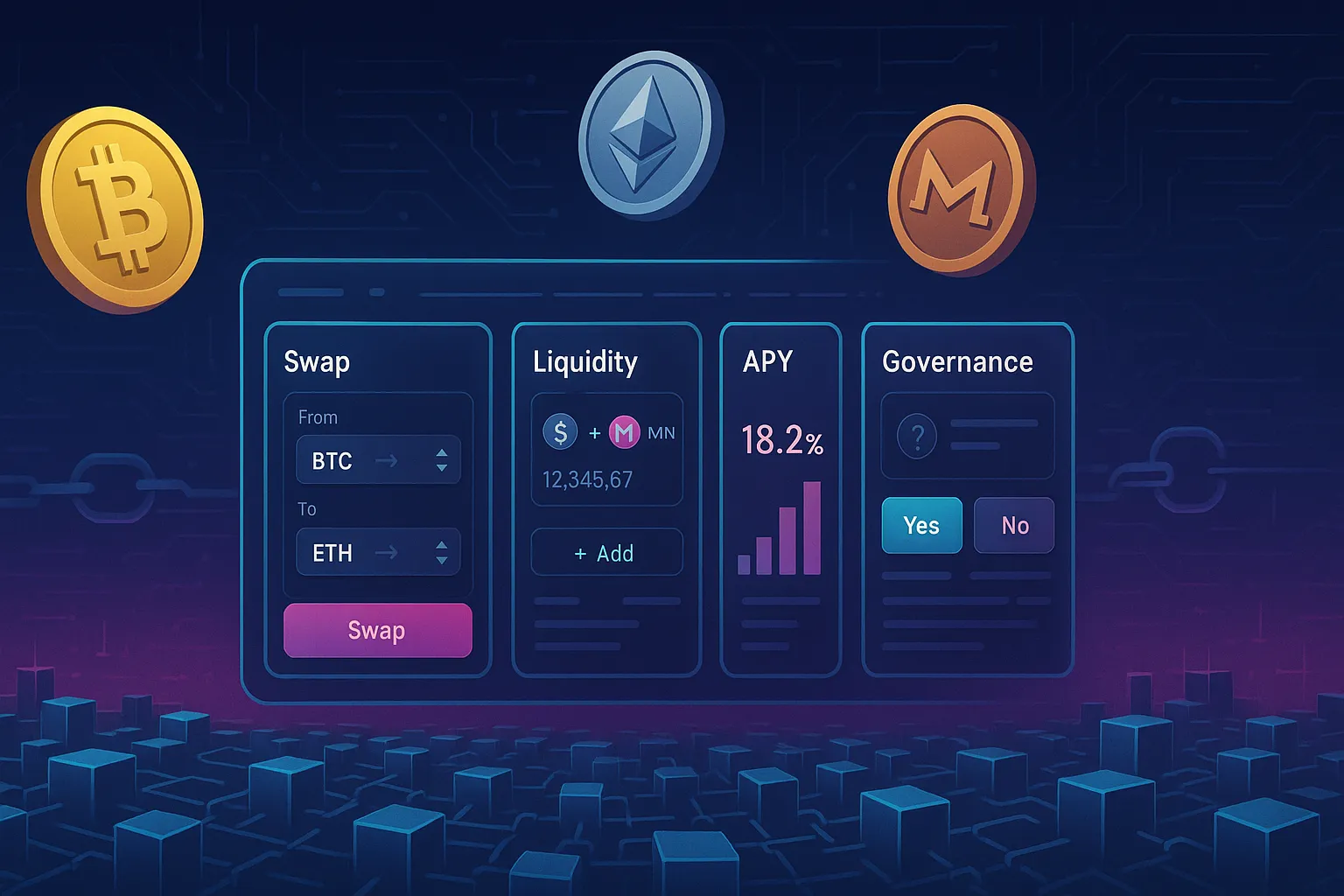
Общие стратегии включают в себя:
- Размещение токенов LP с децентрализованных бирж (DEX) в контрактах вознаграждения.
- Вложение активов в агрегаторы доходности, которые автоматически начисляют сложные проценты.
- Участие в программах раннего майнинга ликвидности для новых проектов.
Эти стратегии могут быть сложными и рискованными, особенно в отношении необратимых потерь и уязвимостей смарт-контрактов, поэтому к ним лучше подходить с осторожностью.
5. Производные финансовые инструменты, бессрочные и синтетические ценные бумаги.
Более продвинутые пользователи DeFi торгуют производными финансовыми инструментами, такими как бессрочные фьючерсы, опционы и синтетические активы, отслеживающие акции, товары или индексы.
Производные инструменты, действующие в блокчейне, позволяют:
- Использование кредитного плеча и хеджирование без централизованных брокеров.
- Доступ к ценовым показателям, не связанным с криптовалютами, через токенизированные синтетические активы.
- Автоматизированная ликвидация и управление залоговым обеспечением с помощью смарт-контрактов.
Эти рынки все еще растут и сопряжены со значительными рисками, но демонстрируют широкий спектр возможностей программируемых финансов.
Плюсы и минусы DeFi
DeFi, мощная платформа, но она не является волшебным решением всех финансовых проблем. Крайне важно понимать её преимущества и недостатки.
Преимущества DeFi
- Несанкционированный доступ В большинстве протоколов не требуется проверка личности клиента (KYC), кредитная история или наличие банковских счетов.
- Самостоятельная опека Вы сами контролируете свои ключи и средства, а не доверяете централизованному хранителю.
- Прозрачность Коды, балансы и история транзакций доступны в блокчейне.
- Глобальный и круглосуточный доступ DeFi-рынки не спят и не привязаны ни к какой стране.
- компонуемости Приложения могут дополнять друг друга, как кубики Лего, ускоряя процесс инноваций.
- программируемость Сложные стратегии можно автоматизировать без посредников.
Риски и ограничения DeFi
- Риск смарт-контракта Ошибки или уязвимости могут привести к потере средств.
- Рыночный и ликвидационный риски Волатильность может привести к ликвидации позиций в протоколах кредитования и производных финансовых инструментов.
- Нормативная неопределенность Правила для DeFi постоянно развиваются и различаются в зависимости от юрисдикции.
- Ошибка пользователя Потеря закрытых ключей, подписание вредоносных транзакций или взаимодействие с поддельными сайтами могут дорого обойтись.
- Мошенничество и обман Некоторые проекты носят злонамеренный или нежизнеспособный характер; поэтому необходима тщательная проверка.
- Сетевые сборы и перегрузка сети Популярные сети магазинов могут стать дорогими или перестать принимать покупателей в часы пик.
Осознание как преимуществ, так и недостатков помогает подходить к DeFi с реалистичными ожиданиями и соответствующей осторожностью.
Как DeFi связан с торговлей на GhostSwap
Торговля и обмен токенами, это основополагающая деятельность в сфере DeFi. Прежде чем вы сможете предоставлять токены в кредит, размещать их в стейкинге или заниматься фармингом, вам, как правило, необходимо перейти к использованию подходящих активов в подходящих блокчейнах.
GhostSwap вписывается в стек DeFi как некастодиальная платформа мгновенного обмена . Вместо того чтобы функционировать как традиционная биржа с книгой ордеров, она выступает в качестве моста между вами и ликвидностью в различных сетях.
Вот как использование такого инструмента, как GhostSwap, согласуется с принципами DeFi:
- Самостоятельная опека Вы никогда не вносите средства на счета GhostSwap. Свопы перемещаются напрямую между вашими кошельками и целевым кошельком.
- Дружественный к конфиденциальности Вы можете Мгновенный обмен криптовалюты на частной бирже Интерфейс, как правило, без проверки личности (KYC) для разумных сумм.
- Широкая поддержка активов Имея доступ к более чем 1,600 торговым парам, вы можете быстро получить токены, изначально предназначенные для DeFi (например, токены управления или LP-токены), необходимые для различных протоколов.
- Гибкость между цепями Перемещение активов между различными экосистемами DeFi становится намного проще.
Например, вы можете:
- Обменяйте BTC или другую крупную криптовалюту на стейблкоин или ETH с помощью GhostSwap.
- Отправьте токены на свой некастодиальный кошелек.
- Подключите этот кошелек к приложениям DeFi, чтобы предоставлять кредиты, торговать или получать доход от майнинга.
На практике удобный мгновенный обмен часто является первым шагом от хранения криптовалюты к активному использованию DeFi.
Готовы начать торговать?
Если вы хотите перейти от изучения DeFi к его практическому применению, первым шагом обычно является приобретение необходимых токенов в рамках системы самокастодиального хранения.
С помощью GhostSwap вы можете:
- Торговля между BTC, ETH, USDT и более чем 1,600 другими активами.
- Избегайте регистрации счетов и длительных проверок KYC для обычных сумм.
- Сохраняйте полный контроль над своими средствами при совершении обменов.
Воспользуйтесь некастодиальной своповой платформой GhostSwap, чтобы за считанные минуты подготовить свой портфель к возможностям DeFi.
Часто задаваемые вопросы
DeFi безопасен?
DeFi можно использовать безопасно, но это не означает полного отсутствия рисков. Ошибки в смарт-контрактах, взломы, волатильность рынка и мошенничество, это реальные проблемы.
Чтобы снизить риск:
- Придерживайтесь общеизвестных протоколов с аудитами и поддержанием значительного общего объема заблокированных средств (TVL), отслеживаемого такими сайтами, как [название сайта]. ДеФиЛлама.
- Для крупных сумм используйте аппаратные кошельки.
- Остерегайтесь предложений, обещающих чрезвычайно высокую доходность без достаточных объяснений.
Никогда не вкладывайте больше, чем можете позволить себе потерять, и всегда проводите собственные исследования.
Нужна ли мне верификация личности (KYC) для использования DeFi?
Большинство протоколов DeFi сами по себе не требуют разрешений и верификации личности (KYC), поскольку взаимодействие происходит через кошельки, а не через личные аккаунты. Однако для точек входа и выхода, таких как централизованные биржи или фиатные шлюзы, может потребоваться верификация личности (KYC) в соответствии с нормативными требованиями.
Некастодиальные сервисы, такие как GhostSwap, ориентированы на обмен криптовалюты на криптовалюту, что позволяет пользователям сохранять большую конфиденциальность, чем на типичных кастодиальных платформах, хотя вы по-прежнему несете ответственность за соблюдение местных законов.
Как начать использовать DeFi, если вы новичок?
Простой начальный путь выглядит так:
- Создайте надежный некастодиальный кошелек и сделайте резервную копию своей сид-фразы.
- Приобретите базовый актив (например, ETH или крупный стейблкоин) через предпочитаемые вами каналы.
- Воспользуйтесь сервисом обмена токенов без хранения средств, чтобы получить необходимые токены для изученного вами протокола.
- Начните с небольших сумм, чтобы понять, как работают транзакции, комиссии за газ и подтверждения.
Сосредоточьтесь на высококлассных DeFi-приложениях с понятной документацией и сильными сообществами, одновременно накапливая опыт.
В чём разница между DeFi и CeFi?
CeFi (централизованные финансы), это традиционные банки, а также централизованные криптоплатформы, которые хранят средства пользователей и управляют внутренними книгами ордеров. Вы полагаетесь на платежеспособность, безопасность и соответствие компании нормативным требованиям.
DeFi устраняет централизованный операторский уровень. Средства остаются в кошельках, контролируемых пользователем, а транзакции осуществляются посредством смарт-контрактов в публичных блокчейнах. Компромисс заключается в том, что вы получаете контроль и прозрачность, но должны самостоятельно управлять своей безопасностью и напрямую сталкиваться с рисками протокола.
Можно ли получать пассивный доход с помощью DeFi?
Да, многие используют DeFi для стратегий, ориентированных на получение дохода, в том числе:
- Предоставление активов на рынки кредитования для получения процентов.
- Предоставление ликвидности децентрализованным биржам (DEX) за часть комиссионных сборов за торговлю.
- Стейкинг токенов для обеспечения безопасности сетей или участия в системе вознаграждений за управление.
Однако «пассивный» не означает «безрисковый». Доходность может колебаться, цены токенов могут падать, а смарт-контракты могут давать сбои. Всегда сопоставляйте потенциальную доходность с рисками и сложностью процесса.