DeFi, acronimo di finanza decentralizzata, è un sistema di applicazioni finanziarie basate su blockchain pubbliche che permette a chiunque di prestare, prendere in prestito, scambiare, risparmiare e ottenere rendimenti senza l'intermediazione di banche o broker. Invece di affidarsi alle aziende, la DeFi utilizza smart contract, codice open source e criptovalute per fornire servizi finanziari direttamente agli utenti.
In sostanza, la DeFi cerca di ricostruire elementi chiave della finanza tradizionale utilizzando codice trasparente e reti distribuite. Il controllo dei fondi rimane nelle mani dell'utente, che li gestisce direttamente nel proprio portafoglio, e l'interazione avviene tramite protocolli, senza dover firmare contratti con banche o broker. Piattaforme come GhostSwap semplificano l'accesso a questo ecosistema, consentendo di scambiare criptovalute istantaneamente e in modo non custodiale.
Cos'è la DeFi? Spiegazione semplice
Per capire cos'è la DeFi, bisogna innanzitutto riflettere su come funziona la finanza tradizionale.
Quando utilizzi una banca, un broker o un'app di pagamento, il tuo denaro rimane depositato nei loro conti. Sono loro a gestire i database, a decidere chi può accedervi, a stabilire le regole e a poter bloccare o congelare le transazioni. Ti fidi di loro affinché custodiscano i tuoi fondi e rispettino leggi e regolamenti.
La DeFi ribalta questo modello.
Anziché affidare i tuoi soldi a società, custodisci le tue criptovalute in un portafoglio che controlli con le tue chiavi private. Invece di banche e broker, interagisci con programmi chiamati smart contract che girano su blockchain come Ethereum, Polygon, BNB Chain e altre.
Questi smart contract sono come distributori automatici di servizi finanziari. Depositi un asset e ne prelevi un altro, secondo regole che chiunque può esaminare nel codice. Nessun gestore di conto, nessuna filiale, nessuna burocrazia.
In parole povere:
- La DeFi è la finanza gestita tramite codice. invece che dalle banche.
- È aperto a chiunque disponga di una connessione internet., di solito senza verifiche KYC o controlli del credito a livello di protocollo.
- Tu mantieni la custodia dei tuoi fondi nel tuo portafoglio personale invece di depositare sul conto di un'azienda.
Ecco perché la DeFi viene spesso descritta come "denaro aperto e programmabile" o "sistema bancario senza banche".
Come funziona la DeFi?
Sebbene la DeFi sembri semplice da usare una volta provata, dietro le quinte si celano molti meccanismi complessi. Ecco come funziona la finanza decentralizzata a un livello tecnico ma accessibile.
Contratti intelligenti su blockchain pubbliche
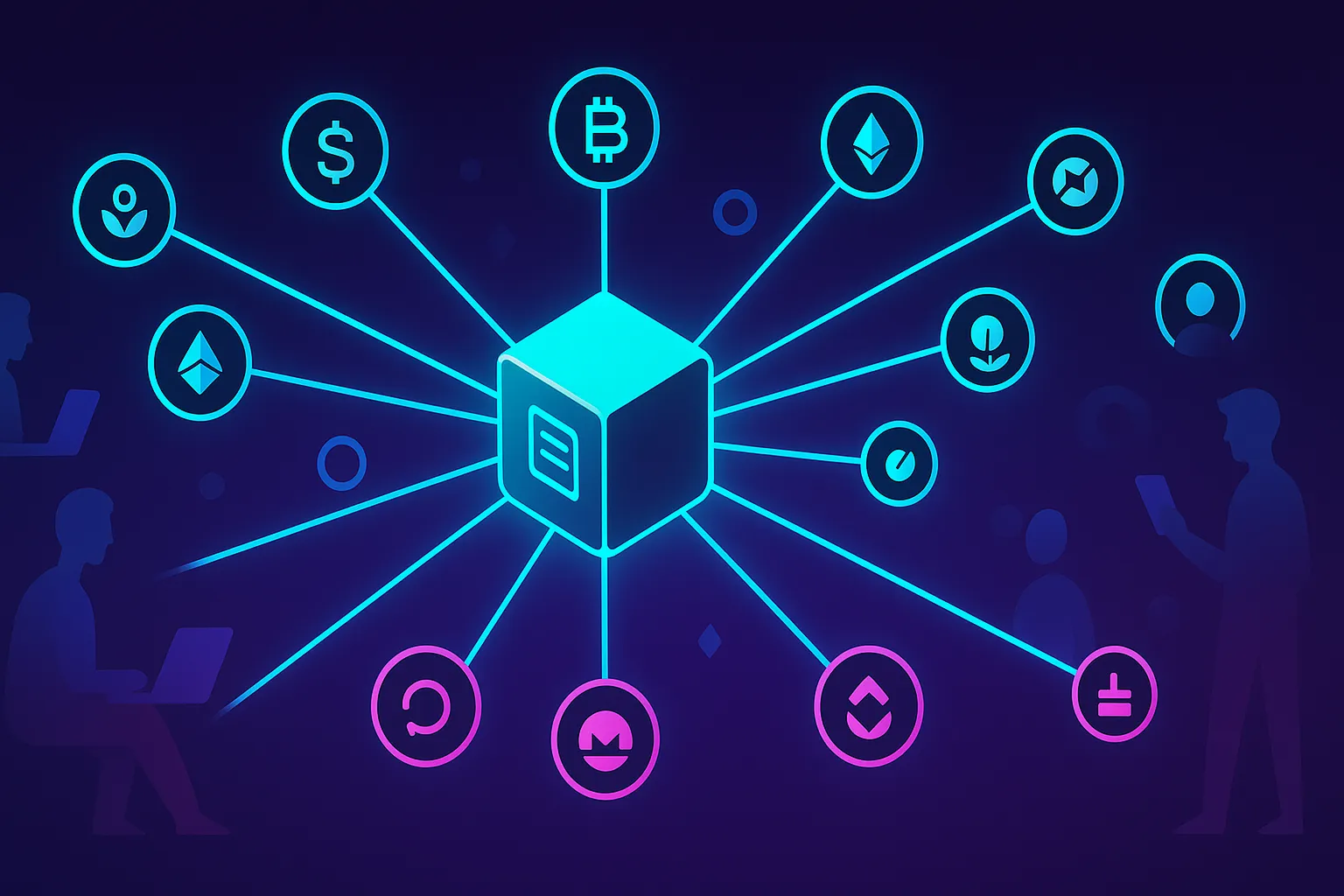
La maggior parte delle applicazioni DeFi si basa su piattaforme di smart contract come Ethereum, che ha aperto la strada alla moneta programmabile, e su reti compatibili come Arbitrum, Optimism, Polygon e BNB Chain.
Uno smart contract è un codice autoeseguibile memorizzato sulla blockchain. Gestisce fondi, applica regole e aggiorna automaticamente i saldi in base agli input. Nessuno può modificarlo arbitrariamente una volta implementato, a meno che non sia previsto un percorso di aggiornamento o di governance.
Esempi di smart contract DeFi:
- I market maker automatizzati (AMM) consentono agli utenti di scambiare token in modo algoritmico.
- Piattaforme di prestito che mettono in contatto mutuatari e prestatori tramite garanzie e tassi di interesse
- Contratti di staking che distribuiscono ricompense in token ai partecipanti
I token come risorse programmabili
La DeFi si basa su token crittografici . Lo standard più comune è ERC-20 su Ethereum e standard equivalenti su altre blockchain.
I token possono rappresentare:
- Risorse native come ETH o MATIC
- Stablecoins ancorati a valute fiat, come USDT, USDC o DAI
- Token di governance che conferiscono diritti di voto su un protocollo
- token fruttiferi che tracciano i depositi nei protocolli di prestito o di staking
Poiché questi token seguono interfacce standard, diverse applicazioni DeFi possono integrarsi tra loro. Questa componibilità è il motivo per cui la DeFi viene definita "i Lego del denaro".
Portafogli e chiavi non custoditi
L'accesso alla DeFi avviene in genere tramite portafogli non custodial come MetaMask, Rabby, Trust Wallet o portafogli hardware come Ledger e Trezor.
Con un portafoglio non custodiale:
- Possiedi le tue chiavi private.
- Il portafoglio firma le transazioni che interagiscono con gli smart contract.
- Le app non acquisiscono mai effettivamente la proprietà dei tuoi fondi; ricevono solo l'autorizzazione a utilizzarli in base a regole specifiche.
Questo è diverso dal lasciare le monete su un conto di un exchange centralizzato, dove la società detiene le chiavi.
I market maker automatizzati (AMM) e i DEX
Il trading è uno dei principali casi d'uso della DeFi. Invece di utilizzare registri ordini centralizzati gestiti dalle borse, la DeFi si avvale spesso di AMM (Automated Market Maker) per alimentare gli exchange decentralizzati (DEX).
In un AMM:
- I fornitori di liquidità depositano coppie di token in un pool.
- Il pool utilizza una formula di prezzo (simile a x*y=k in Uniswap v2) per quotare i prezzi.
- I trader si scambiano i token direttamente con il pool, pagando una commissione.
- Le commissioni vengono ripartite proporzionalmente tra i fornitori di liquidità.
Questo modello permette l'esistenza di mercati per token di nicchia senza dipendere dai market maker tradizionali o da sistemi di matching centralizzati.
Oracoli e dati esterni
Alcuni protocolli DeFi necessitano di dati off-chain, come i prezzi degli asset. Utilizzano oracoli come Chainlink, Pyth o Uniswap TWAP per fornire dati affidabili agli smart contract.
Gli oracoli robusti sono particolarmente importanti per:
- Protocolli di prestito e di indebitamento che comportano il rischio di liquidazione
- Derivati e contratti perpetui
- Attività sintetiche che replicano i prezzi esterni
Governance e DAO
Molti progetti DeFi sono governati da DAO (Organizzazioni Autonome Decentralizzate). I detentori di token votano su proposte quali la struttura delle commissioni, le nuove funzionalità o la gestione delle risorse.
I token di governance non garantiscono la proprietà in senso legale, ma spesso controllano i parametri e i flussi di entrate di un protocollo. Questo livello di governance è ciò che permette alla DeFi di evolversi nel tempo, anziché rimanere statica al momento del lancio.
Puoi scambiare BTC, ETH, USDT e oltre 1,600 altre criptovalute o token per accedere al più ampio ecosistema DeFi utilizzando strumenti non custodial come GhostSwap senza alcuna procedura KYC.
Perché la DeFi è importante?
Capire cos'è la DeFi è solo metà della storia. La domanda più importante è perché sia rilevante.
libero accesso ai servizi finanziari
Le banche e gli intermediari finanziari tradizionali spesso limitano l'accesso in base a criteri geografici, documenti di identità, punteggio di credito e saldi minimi. Miliardi di persone non hanno accesso ai servizi bancari o ne sono completamente escluse.
I protocolli DeFi sono generalmente:
- Permissionless Chiunque abbia una connessione internet e un portafoglio digitale può utilizzarli.
- Senza bordi Su una blockchain pubblica non esiste il concetto di utenti nazionali rispetto a quelli internazionali.
- 24/7 I mercati e i protocolli funzionano ininterrottamente, non durante l'orario lavorativo.
Ciò può ampliare l'accesso a strumenti di risparmio, credito e investimento per le persone nei mercati emergenti o per coloro che sono esclusi dai sistemi tradizionali.
Autocustodia e riduzione del rischio di controparte
I fallimenti di borse valori di alto profilo avvenuti nei cicli passati hanno messo in luce i rischi dei depositari centralizzati. Quando si lasciano fondi su una piattaforma di custodia, si è esposti ai rischi operativi, normativi e di frode ad essa associati.
Nel mondo DeFi, in genere:
- Tenete i fondi nel vostro portafoglio personale.
- Interagisci con contratti intelligenti verificati anziché con registri interni opachi.
- Affidati al codice open-source e alle prove on-chain piuttosto che alle dichiarazioni aziendali.
Rimangono i rischi legati agli smart contract e al mercato, ma il profilo di rischio è diverso e più trasparente.
Denaro programmabile e innovazione
Poiché la DeFi è basata su software, è altamente programmabile. Gli sviluppatori possono:
- Elaborare protocolli in collaborazione per creare nuovi prodotti finanziari.
- Automatizza strategie complesse che operano 24 ore su 24, 7 giorni su 7.
- Avviare applicazioni globali senza stringere partnership con le banche.
Ciò accelera l'innovazione rispetto alla finanza tradizionale, dove i nuovi prodotti spesso richiedono approvazioni normative, integrazioni bancarie e processi manuali.
Trasparenza e verificabilità
L'attività nel settore DeFi viene registrata su blockchain pubbliche. Chiunque può consultarle:
- Codice e audit dei contratti intelligenti
- Riserve a supporto di stablecoin o pool di prestito
- Scambi storici, liquidazioni e voti di governance
Questo livello di trasparenza è raro nella finanza tradizionale, dove molti processi e rischi sono nascosti nei sistemi interni.
Potenzialità per nuovi modelli economici
La DeFi introduce asset digitali nativi, incentivi basati su token e governance on-chain. Ciò consente di sperimentare in:
- Protocolli di proprietà della comunità
- Token di condivisione dei ricavi
- Valutazione del credito e identità decentralizzate
È ancora presto, ma questi strumenti potrebbero rivoluzionare il modo in cui le persone gestiscono capitali e proprietà online.
Esempi di DeFi e casi d'uso reali
Per rendere concreto il concetto di "DeFi", ecco alcune categorie comuni e il modo in cui vengono effettivamente utilizzate.
1. Scambi decentralizzati (DEX)
Le piattaforme DEX come Uniswap e Curve consentono agli utenti di scambiare token direttamente dai propri wallet tramite pool AMM. Non è necessaria alcuna registrazione e le transazioni vengono regolate on-chain.
Le persone utilizzano i DEX per:
- Passa da un asset principale all'altro come ETH e stablecoin
- Accedi a token di nicchia che potrebbero non essere quotati su piattaforme centralizzate.
- Fornire liquidità e guadagnare una quota delle commissioni di negoziazione
Le piattaforme di scambio non custodial, come il servizio di scambio istantaneo di criptovalute di GhostSwap, completano questi strumenti aggregando i percorsi e semplificando l'esperienza utente.
2. Prestiti e prestiti
Protocolli come Aave e Compound consentono di fornire token per guadagnare interessi o ottenere prestiti garantiti dalle proprie criptovalute.
Gli usi tipici includono:
- Mettere a frutto le stablecoin inattive per generare rendimento
- Prendere in prestito senza vendere titoli a lungo termine
- Strategie di leva per utenti avanzati
I tassi di interesse si adeguano algoritmicamente in base alla domanda e all'offerta, e tutti i prestiti sono in genere sovracollateralizzati, riducendo il rischio di insolvenza a livello di protocollo.
3. Stablecoin e risparmi on-chain
Le stablecoin come USDT, USDC e DAI mirano a replicare il valore delle valute fiat come il dollaro statunitense. Rappresentano un elemento fondamentale della liquidità DeFi.
I casi d'uso includono:
- Conservare valore in criptovalute senza volatilità
- Invio di pagamenti globali a basso costo
- Depositare in protocolli che generano rendimento per risparmiare sulla blockchain.
I dati provenienti da aggregatori come le classifiche delle stablecoin di CoinGecko mostrano che le stablecoin sono tra le criptovalute più scambiate in termini di volume.
4. Yield farming e liquidity mining
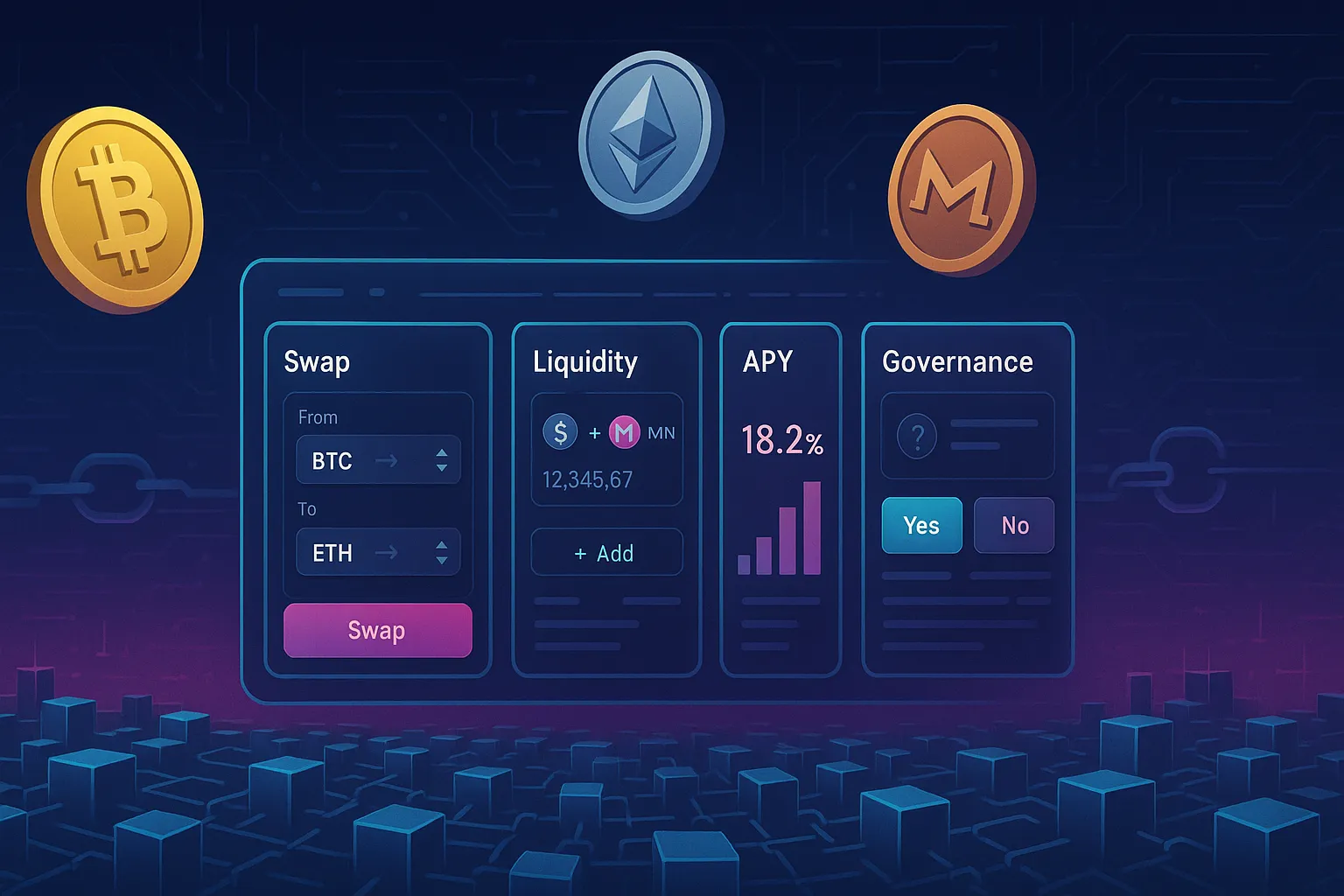
Lo yield farming consiste nel fornire liquidità o capitale ai protocolli DeFi in cambio di ricompense, spesso sotto forma di token di governance.
Le strategie comuni includono:
- Mettere in staking i token LP provenienti da DEX in contratti di ricompensa
- Depositare attività in aggregatori di rendimento che capitalizzano automaticamente i profitti
- Partecipazione a programmi di estrazione di liquidità anticipata per nuovi progetti
Queste strategie possono essere complesse e rischiose, soprattutto per quanto riguarda la perdita temporanea e gli exploit degli smart contract, quindi è meglio affrontarle con cautela.
5. Derivati, perpetui e sintetici
Gli utenti DeFi più esperti negoziano derivati come future perpetui, opzioni e asset sintetici che replicano azioni, materie prime o indici.
I derivati on-chain consentono:
- Leva finanziaria e copertura del rischio senza intermediari centralizzati
- Accesso all'esposizione ai prezzi non legati alle criptovalute tramite token sintetici
- Liquidazione automatizzata e gestione delle garanzie tramite smart contract
Questi mercati sono ancora in crescita e comportano rischi considerevoli, ma dimostrano l'ampiezza delle potenzialità della finanza programmabile.
Vantaggi e svantaggi della DeFi
La DeFi è potente, ma non è la soluzione magica a ogni problema finanziario. Comprenderne i vantaggi e i compromessi è fondamentale.
Vantaggi di DeFi
- Accesso senza autorizzazione La maggior parte dei protocolli non richiede KYC, controlli del credito o conti bancari.
- Autocustodia Hai il controllo delle tue chiavi e dei tuoi fondi, anziché affidarti a un custode centralizzato.
- Trasparenza Codice, saldi e cronologia delle transazioni sono visibili on-chain.
- Globale e 24 ore su 24, 7 giorni su 7 I mercati DeFi non dormono mai e non sono legati ad alcun Paese.
- componibilità Le app possono essere integrate l'una nell'altra come i mattoncini Lego, accelerando l'innovazione.
- programmabilità Le strategie complesse possono essere automatizzate senza intermediari.
Rischi e limitazioni della DeFi
- Rischio del contratto intelligente Bug o vulnerabilità possono comportare la perdita di fondi.
- Rischio di mercato e di liquidazione La volatilità può innescare liquidazioni nei protocolli di prestito e derivati.
- Incertezza normativa Le normative relative alla DeFi sono in continua evoluzione e variano a seconda della giurisdizione.
- Errore dell'utente Perdere le chiavi private, firmare transazioni fraudolente o interagire con siti falsi può costare caro.
- Truffe e furti Alcuni progetti sono dannosi o insostenibili; è fondamentale un'attenta valutazione.
- Costi di rete e congestione Le catene di ristoranti più popolari possono risultare costose o lente durante i periodi di punta.
Essere consapevoli sia dei vantaggi che degli svantaggi aiuta ad approcciarsi alla DeFi con aspettative realistiche e la dovuta cautela.
Come la DeFi si relaziona al trading su GhostSwap
Il trading e lo scambio di token sono attività fondamentali della DeFi. Prima di poter prestare, mettere in staking o fare farming, in genere è necessario investire negli asset giusti sulle blockchain appropriate.
GhostSwap si inserisce nello stack DeFi come piattaforma di scambio istantaneo non custodial . Anziché funzionare come un tradizionale exchange con registro ordini, funge da ponte tra te e la liquidità attraverso diverse reti.
Ecco come l'utilizzo di uno strumento come GhostSwap si allinea ai principi della DeFi:
- Autocustodia Non è necessario depositare fondi negli account GhostSwap. Gli scambi avvengono direttamente tra i tuoi wallet e la destinazione.
- Rispettoso della privacy Puoi osservare le Scambia criptovalute all'istante su una piattaforma di scambio privata. interfaccia, in genere senza KYC per importi ragionevoli.
- Ampio sostegno patrimoniale Con oltre 1,600 coppie di token, puoi ottenere rapidamente i token nativi DeFi (come i token di governance o i token LP) richiesti da vari protocolli.
- Flessibilità tra le catene Trasferire asset tra diversi ecosistemi DeFi diventa molto più semplice.
Ad esempio, potresti:
- Scambia BTC o un'altra criptovaluta importante con una stablecoin o ETH utilizzando GhostSwap.
- Invia i token al tuo portafoglio non custodiale.
- Collega quel portafoglio alle app DeFi per prestare, scambiare o generare rendimenti.
In pratica, uno scambio istantaneo di facile utilizzo è spesso il primo passo per passare dal possesso di criptovalute all'utilizzo attivo della DeFi.
Pronto per iniziare a fare trading?
Se vuoi passare dall'apprendimento della DeFi al suo utilizzo effettivo, il primo passo è solitamente quello di procurarti i token giusti in un ambiente self-custodial.
Con GhostSwap puoi:
- Effettua scambi tra BTC, ETH, USDT e oltre 1,600 altri asset.
- Evita registrazioni di account e lunghi controlli KYC per importi tipici
- Mantieni il pieno controllo dei tuoi fondi durante lo scambio
Visita la piattaforma di swap non custodial di GhostSwap per posizionare il tuo portafoglio in pochi minuti e sfruttare le opportunità offerte dalla DeFi.
Domande frequenti
La DeFi è sicura?
La DeFi può essere utilizzata in modo sicuro, ma non è priva di rischi. Bug nei contratti intelligenti, attacchi hacker, volatilità del mercato e truffe sono preoccupazioni concrete.
Per ridurre il rischio:
- Attieniti a protocolli ben noti con audit e un valore totale bloccato (TVL) significativo, come tracciato da siti come DeFiLama.
- Per importi consistenti, si consiglia di utilizzare portafogli hardware.
- Diffidate delle offerte che promettono rendimenti estremamente elevati senza fornire molte spiegazioni.
Non investire mai più di quanto ti puoi permettere di perdere e fai sempre le tue ricerche.
È necessario il KYC per utilizzare la DeFi?
La maggior parte dei protocolli DeFi sono di per sé senza autorizzazioni e non richiedono la verifica dell'identità (KYC) poiché l'interazione avviene tramite wallet e non tramite conti personali. Tuttavia, le piattaforme di ingresso e uscita, come gli exchange centralizzati o i gateway per le valute fiat, potrebbero richiedere la verifica dell'identità per conformarsi alle normative.
I servizi non custodial come GhostSwap si concentrano sugli scambi di criptovalute, consentendo agli utenti di mantenere una maggiore privacy rispetto alle tipiche piattaforme custodial, sebbene sia comunque responsabilità dell'utente rispettare le leggi locali.
Come posso iniziare a usare la DeFi da principiante?
Un semplice percorso iniziale si presenta così:
- Configura un portafoglio non custodial affidabile ed esegui un backup sicuro della tua frase di recupero.
- Acquista un asset di base (come ETH o una stablecoin importante) attraverso i tuoi canali preferiti.
- Utilizza un servizio di scambio non custodiale per ottenere i token specifici di cui hai bisogno per un protocollo che hai studiato.
- Inizia con piccole somme per imparare come funzionano le transazioni, le commissioni sul carburante e le conferme.
Concentrati su app DeFi di prim'ordine con documentazione chiara e comunità solide, mentre accresci la tua esperienza.
Qual è la differenza tra DeFi e CeFi?
Il termine CeFi (finanza centralizzata) si riferisce sia alle banche tradizionali sia alle piattaforme di criptovalute centralizzate che custodiscono i fondi degli utenti e gestiscono i registri interni degli ordini. Ci si affida alla solvibilità, alla sicurezza e alla conformità dell'azienda.
La DeFi elimina il livello dell'operatore centrale. I fondi rimangono in portafogli controllati dagli utenti e le transazioni sono mediate da smart contract su blockchain pubbliche. Il compromesso è che si ottengono maggiore controllo e trasparenza, ma bisogna gestire autonomamente la propria sicurezza e affrontare direttamente i rischi del protocollo.
Posso generare un reddito passivo con la DeFi?
Sì, molte persone utilizzano la DeFi per strategie incentrate sul rendimento, tra cui:
- Fornire attività ai mercati del credito per guadagnare interessi
- Fornire liquidità ai DEX in cambio di una percentuale sulle commissioni di negoziazione.
- Mettere in staking i token per proteggere le reti o partecipare ai premi di governance
Tuttavia, "passivo" non significa "privo di rischi". I rendimenti possono fluttuare, il prezzo dei token può diminuire e gli smart contract possono fallire. È sempre necessario valutare i potenziali rendimenti rispetto ai rischi e alla complessità connessi.