Ethereum (ETH) vs Bitcoin (BTC): qual è la migliore criptovaluta nel 2026?
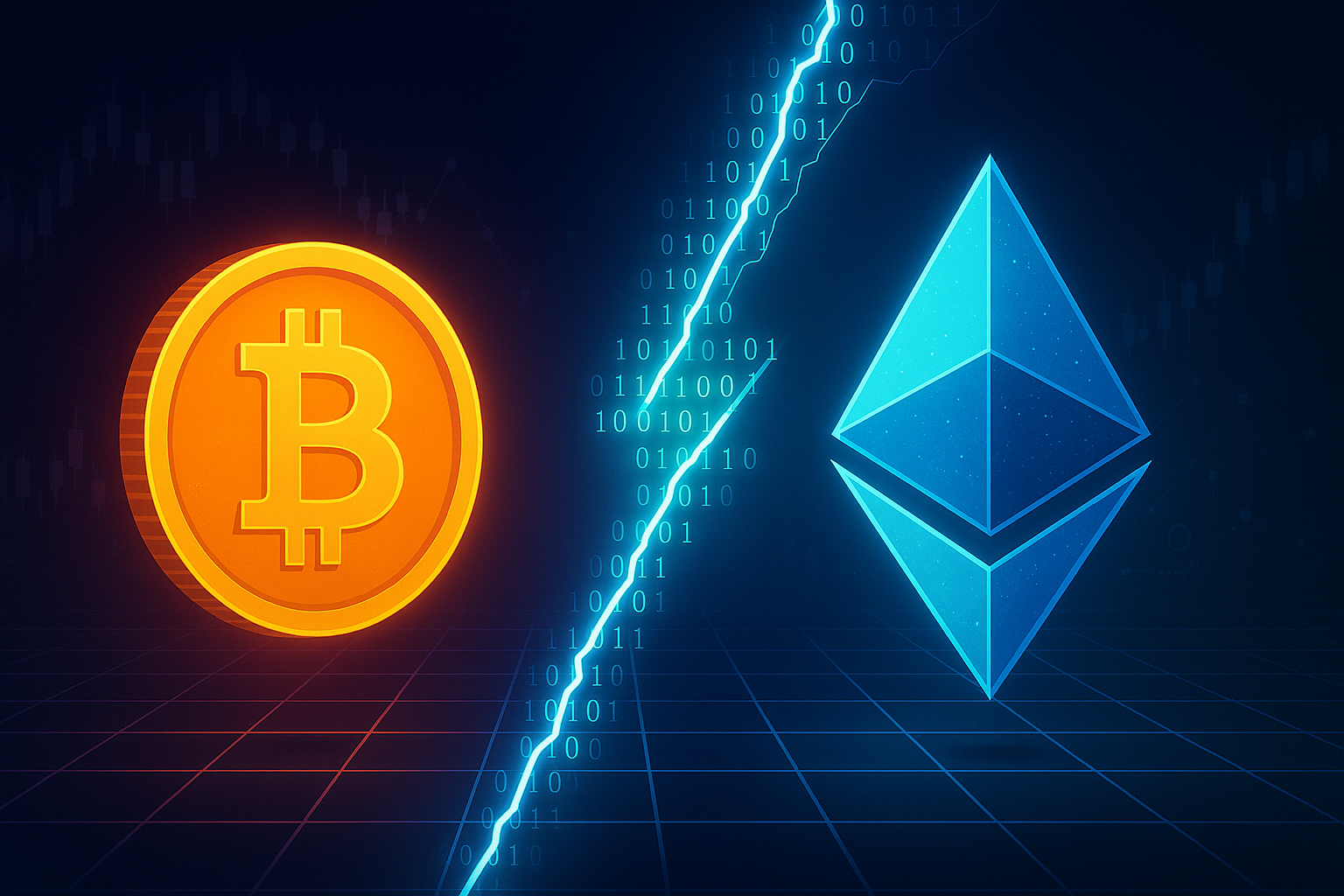
Nel 2026, Bitcoin è ancora la criptovaluta con la maggiore capitalizzazione di mercato e la principale riserva di valore, mentre Ethereum rimane la piattaforma leader per gli smart contract, alimentando DeFi, NFT e applicazioni Web3. Bitcoin si concentra sull'essere "oro digitale", mentre Ethereum mira a diventare un livello di regolamento globale programmabile. La scelta migliore dipende dal fatto che si privilegi la scarsità con un limite massimo (BTC) o la flessibilità di programmazione e le opportunità di rendimento (ETH). Se si desidera passare rapidamente da una criptovaluta all'altra, è possibile scambiare ETH con BTC istantaneamente su GhostSwap senza KYC.
| Caratteristica | Ethereum (ETH) (ETH) | Bitcoin (BTC) (BTC) |
|---|---|---|
| Prezzo attuale (al 06/09/2026) | $2,494.05 | $79,823.00 |
| Market Cap | 304.33 miliardi di dollari (classifica n. 2) | 1,602.75 miliardi di dollari (classifica n. 1) |
| Scopo / Caso d'uso | Smart contract, DeFi, NFT, applicazioni Web3 | Riserva di valore, moneta digitale peer-to-peer |
| Meccanismo di consenso | Proof of Stake (PoS) | Proof of Work (PoW) |
| Velocità di transazione | Tempo di blocco di circa 12 secondi, maggiore velocità di trasmissione tramite L2S. | Tempo di blocco di circa 10 minuti, velocità di elaborazione inferiore |
| Costi | Variabile, generalmente inferiore con i rollup | Variabile, può subire picchi in periodi di forte domanda. |
Panoramica rapida: Ethereum (ETH) vs Bitcoin (BTC)
In linea generale, il dibattito tra Ethereum e Bitcoin verte sulla contrapposizione tra utilità e puro premio monetario.
Bitcoin (BTC) è la criptovaluta originale, lanciata nel 2009 da Satoshi Nakamoto come forma di denaro scarsa e decentralizzata. Il suo principale punto di forza è la scarsità digitale, resistente alla censura e con un limite massimo fisso di 21 milioni di monete.
Ethereum (ETH), lanciato nel 2015, è stato concepito come una blockchain di uso generale. Ha introdotto i contratti intelligenti che consentono agli sviluppatori di creare applicazioni decentralizzate (dApp), protocolli di finanza decentralizzata (DeFi), collezioni di NFT e altro ancora, il tutto su un registro condiviso e programmabile.
Nel 2026, il Bitcoin (BTC) dominerà come asset macroeconomico di riferimento, l'"oro digitale", con una capitalizzazione di mercato di circa 1.6 miliardi di dollari, mentre l'Ethereum (ETH) sarà leader in termini di attività on-chain, applicazioni e innovazione a livello di protocollo. Per molti investitori, l'approccio più equilibrato consiste nel detenere entrambe le criptovalute e ribilanciare il portafoglio in modo flessibile utilizzando uno scambio istantaneo non custodiale come quello offerto da GhostSwap per la coppia ETH/BTC.
Cos'è Ethereum (ETH)?
Ethereum è una blockchain decentralizzata e open-source progettata per essere un livello di regolamento globale e programmabile. Proposta da Vitalik Buterin e lanciata nel 2015, Ethereum ha esteso i concetti fondamentali di Bitcoin aggiungendo gli smart contract: codice autoeseguibile che viene eseguito esattamente come programmato sulla blockchain.
Questi smart contract sono alla base della maggior parte degli ecosistemi di finanza decentralizzata (DeFi), degli NFT e di molti casi d'uso del Web3. Gli utenti possono prestare, prendere in prestito, scambiare o ottenere rendimenti senza intermediari, mentre gli sviluppatori possono rilasciare dApp che operano in modo trasparente e autonomo.
ETH, la criptovaluta nativa di Ethereum, viene utilizzata per pagare le commissioni di transazione ("gas"), proteggere la rete e fungere da garanzia nella DeFi. Dalla "fusione" di Ethereum, il sistema utilizza il Proof of Stake, in cui i validatori mettono in staking i propri ETH per contribuire alla sicurezza della blockchain e ottenere ricompense. A settembre 2026, ETH veniva scambiato a circa 2,494 dollari, con una capitalizzazione di mercato di circa 304 miliardi di dollari e una fornitura circolante di circa 122 milioni di ETH, senza un limite massimo rigido ma con un significativo processo di "bushing" delle commissioni tramite l'EIP-1559.
Per dettagli tecnici e documentazione, consultare il sito ufficiale all'indirizzo ethereum.org.
Cos'è Bitcoin (BTC)?
Bitcoin è la prima e più grande criptovaluta, creata nel 2008 e lanciata nel 2009 dallo pseudonimo di Satoshi Nakamoto. È stata concepita come un sistema di denaro elettronico peer-to-peer che opera senza banche centrali o intermediari di pagamento.
Nel corso del tempo, Bitcoin si è evoluto in una riserva di valore digitale, spesso descritta come "oro digitale". La sua caratteristica principale è un'offerta limitata a 21 milioni di BTC, imposta dalle regole del protocollo. Le nuove monete vengono emesse come ricompensa per i miner, con un dimezzamento dell'emissione ogni quattro anni, in occasione degli eventi di "halving".
Bitcoin utilizza il Proof of Work, un meccanismo in cui i miner competono per risolvere enigmi crittografici, proteggere la rete e convalidare le transazioni. Questo modello privilegia la sicurezza e la decentralizzazione, sebbene con una velocità di elaborazione delle transazioni inferiore rispetto alle moderne piattaforme basate su smart contract.
A settembre 2026, il Bitcoin (BTC) veniva scambiato a circa 79,823 dollari, con una capitalizzazione di mercato di circa 1.6 miliardi di dollari e una fornitura circolante di circa 20.08 milioni di BTC. Per maggiori informazioni, white paper e risorse sull'ecosistema, visita bitcoin.org o aggregatori di dati come CoinGecko.
Ethereum (ETH) vs Bitcoin (BTC): Tecnologia
Modelli di consenso e sicurezza
Bitcoin si basa sulla Proof of Work (PoW). I miner impiegano energia per trovare blocchi validi e la catena più lunga, con il maggior lavoro accumulato, viene considerata canonica. Questo modello vanta una lunga storia di sicurezza, ma è dispendioso in termini di energia e più lento nel finalizzare le transazioni.
Ethereum è passato al Proof of Stake (PoS), in cui i validatori bloccano ETH come garanzia e vengono selezionati casualmente per proporre e attestare i blocchi. Un comportamento scorretto può comportare la riduzione della quota. Il PoS riduce significativamente il consumo energetico e può essere più flessibile in futuri aggiornamenti.
In termini di sicurezza, entrambe le reti sono collaudate, ma ottimizzano i processi in modo diverso. Bitcoin massimizza la semplicità e la consolidazione, riducendo al minimo la superficie di attacco. Ethereum si muove più velocemente, integrando aggiornamenti come The Merge e la scalabilità basata sull'aggregazione dei dati, introducendo maggiore complessità ma anche una maggiore estensibilità.
Contratti intelligenti e programmabilità
È negli smart contract che Ethereum si differenzia nettamente da Bitcoin.
- Ethereum: Contratti intelligenti Turing-completi tramite la Ethereum Virtual Machine (EVM). Gli sviluppatori possono scrivere logiche complesse in linguaggi come Solidity o Vyper, abilitando protocolli DeFi, DAO, NFT e altro ancora.
- Bitcoin: Utilizza un linguaggio di scripting più limitato, focalizzato sulle condizioni a livello di transazione, non su interi ecosistemi di dApp. Sebbene nuovi livelli come gli Ordinali o le sidechain aggiungano funzionalità, non sono nativi del livello base di Bitcoin nello stesso modo in cui lo sono le dApp di Ethereum.
Questa differenza rende Ethereum più simile a un computer globale, e Bitcoin più simile a un livello monetario di base sicuro e minimale.

Scalabilità ed ecosistemi di livello 2
Sul livello base, entrambe le catene devono affrontare vincoli di throughput.
- Bitcoin: Tempi di blocco di circa 10 minuti e spazio di blocco limitato. La scalabilità viene perseguita principalmente tramite Lightning Network e altre soluzioni di secondo livello che mirano a consentire microtransazioni più veloci ed economiche.
- Ethereum: Tempi di blocco di circa 12 secondi, con una roadmap a lungo termine ben definita incentrata sui rollup (rollup ottimistici e ZK) come strategia di scalabilità principale. Le reti Layer 2 più diffuse tornano a connettersi alla mainnet di Ethereum, ereditandone la sicurezza, aumentando al contempo la velocità di trasmissione e riducendo le commissioni.
In pratica, l'ecosistema di aggregazione di Ethereum supporta già volumi di transazioni significativamente più elevati per la DeFi e il Web3, mentre Bitcoin rimane ottimizzato per le transazioni di alto valore e i risparmi.
Ethereum (ETH) vs Bitcoin (BTC): casi d'uso
Casi d'uso monetari
L'utilizzo principale di Bitcoin rimane quello monetario.
- Riserva di valore: Il Bitcoin (BTC) viene utilizzato come bene di risparmio a lungo termine, soprattutto da individui e istituzioni alla ricerca di un'alternativa alle valute fiat.
- Mezzo di scambio: In alcune regioni, il Bitcoin viene utilizzato per rimesse e pagamenti transfrontalieri, spesso tramite servizi di custodia o canali Lightning Network.
Ethereum svolge anche una funzione monetaria:
- Gas e garanzie: ETH è necessario per pagare le commissioni di transazione e proteggere la rete tramite lo staking.
- Garanzie e rendimento DeFi: ETH è ampiamente utilizzato come garanzia nei protocolli di prestito, nei pool di liquidità e nelle strategie di rendimento nell'intero ecosistema DeFi.
DeFi, NFT e Web3
È in questa direzione che Ethereum si afferma chiaramente.
- DeFi: La maggior parte dei principali exchange decentralizzati, mercati di prestito e protocolli di derivati sono stati lanciati su Ethereum o su blockchain compatibili con EVM. Gli utenti possono prestare ETH, prendere in prestito stablecoin o fornire liquidità a vault e AMM.
- NFT: Le principali collezioni e i marketplace di NFT sono nati su Ethereum, rendendolo il fulcro culturale per i collezionabili digitali e l'arte on-chain.
- Web3 / DAO: Le DAO, i meccanismi di identità e altre infrastrutture Web3 si ancorano spesso a Ethereum, per poi espandersi su altre blockchain.
Gli ecosistemi di smart contract e NFT di Bitcoin sono in crescita, ma rimangono ancora relativamente di nicchia e frammentati tra vari protocolli overlay e sidechain.
Posizionamento istituzionale e normativo
Le istituzioni considerano sempre più il Bitcoin come un asset alternativo simile all'oro, talvolta detenuto tramite fondi regolamentati o ETF, laddove disponibili. Questa impostazione lo allinea alle narrazioni macroeconomiche relative alla copertura dall'inflazione e alla diversificazione.
ETH, soprattutto dopo la sua migrazione al PoS, viene spesso presentato come un "asset tecnologico con rendimento", con potenziali ricompense per lo staking ed esposizione alla crescita delle applicazioni decentralizzate. Questo può renderlo attraente per gli investitori alla ricerca sia di crescita che di rendimento on-chain, sebbene le normative sullo staking differiscano a seconda della giurisdizione. Per aggiornamenti e dati normativi a livello di mercato, siti come CoinMarketCap monitorano le quotazioni aggiornate e le notizie legali.
Su GhostSwap puoi scambiare ETH con BTC, ETH, USDT e oltre 1,500 altre monete senza KYC.
Ethereum (ETH) vs Bitcoin (BTC): andamento dei prezzi
Panoramica attuale del mercato (settembre 2026)
- Bitcoin (BTC)
- Prezzo: $ 79,823.00
- Capitalizzazione di mercato: $ 1,602.75 miliardi
- Volume 24 ore: $19.96 miliardi
- Massimo storico: $126,080.00 (6/10/2025)
- Minimo storico: $67.81 (5/7/2013)
- Rendimento a 30 giorni: +22.35%
- Rendimento a 1 anno: -27.98%
- Ethereum (ETH)
- Prezzo: $ 2,494.05
- Capitalizzazione di mercato: $ 304.33 miliardi
- Volume 24 ore: $8.79 miliardi
- Massimo storico: $4,946.05 (24/8/2025)
- Minimo storico: $0.4330 (19/10/2015)
- Rendimento a 30 giorni: +29.74%
- Rendimento a 1 anno: -41.91%
Nell'ultimo anno, entrambi gli asset hanno registrato un calo rispetto ai massimi del 2025, con ETH in ribasso più marcato rispetto a BTC. Questo è in linea con i modelli storici, in cui Ethereum si comporta più come una versione ad alta volatilità di Bitcoin, sovraperformando nei mercati rialzisti, ma correggendo anche più bruscamente durante le fasi ribassiste.
Profilo di rischio/rendimento
Il Bitcoin presenta generalmente una volatilità inferiore rispetto a ETH e ad altre altcoin, grazie a una maggiore capitalizzazione di mercato, una liquidità più elevata e una narrativa macroeconomica più concentrata. È spesso percepito come l'asset crittografico "più sicuro" del settore.
Al contrario, Ethereum presenta una maggiore diversificazione dei fattori che ne determinano il valore: aggiornamenti del protocollo, crescita della DeFi, attività NFT e adozione del Layer 2. Questo può generare un potenziale di crescita eccezionale quando l'economia on-chain è in espansione, ma introduce anche maggiori rischi di esecuzione e normativi, in particolare per quanto riguarda lo staking e i protocolli DeFi.
I trader attivi spesso effettuano scambi tra ETH e BTC a seconda delle condizioni di mercato. L'utilizzo di un metodo di scambio istantaneo e non custodiale tra ETH e BTC consente di ribilanciare rapidamente il portafoglio senza dover passare attraverso exchange centralizzati o condividere dati personali.
Ethereum (ETH) vs Bitcoin (BTC): potenziale futuro
Prospettive a lungo termine di Bitcoin
La proposta di valore di Bitcoin è volutamente circoscritta. La sua roadmap si concentra sul mantenimento della sicurezza, della decentralizzazione e di una politica monetaria prevedibile. Le nuove funzionalità tendono ad essere conservative, come Taproot, che ha migliorato la privacy e la possibilità di utilizzare script senza modificare i principi economici fondamentali.
Il prossimo halving di BTC e la continua adozione istituzionale sono catalizzatori chiave a lungo termine. Se un numero maggiore di tesorerie, fondi e entità sovrane adotteranno Bitcoin come riserva o asset strategico, la domanda potrebbe crescere costantemente anche se le funzionalità on-chain dovessero rimanere limitate rispetto a Ethereum.
Prospettive a lungo termine di Ethereum
Il futuro di Ethereum è legato al suo ruolo di livello di regolamento per un ecosistema multi-chain incentrato sull'aggregazione. Gli aggiornamenti mirano ad aumentare la scalabilità, ridurre le commissioni di transazione e migliorare l'esperienza utente, preservando al contempo la sicurezza e la decentralizzazione.
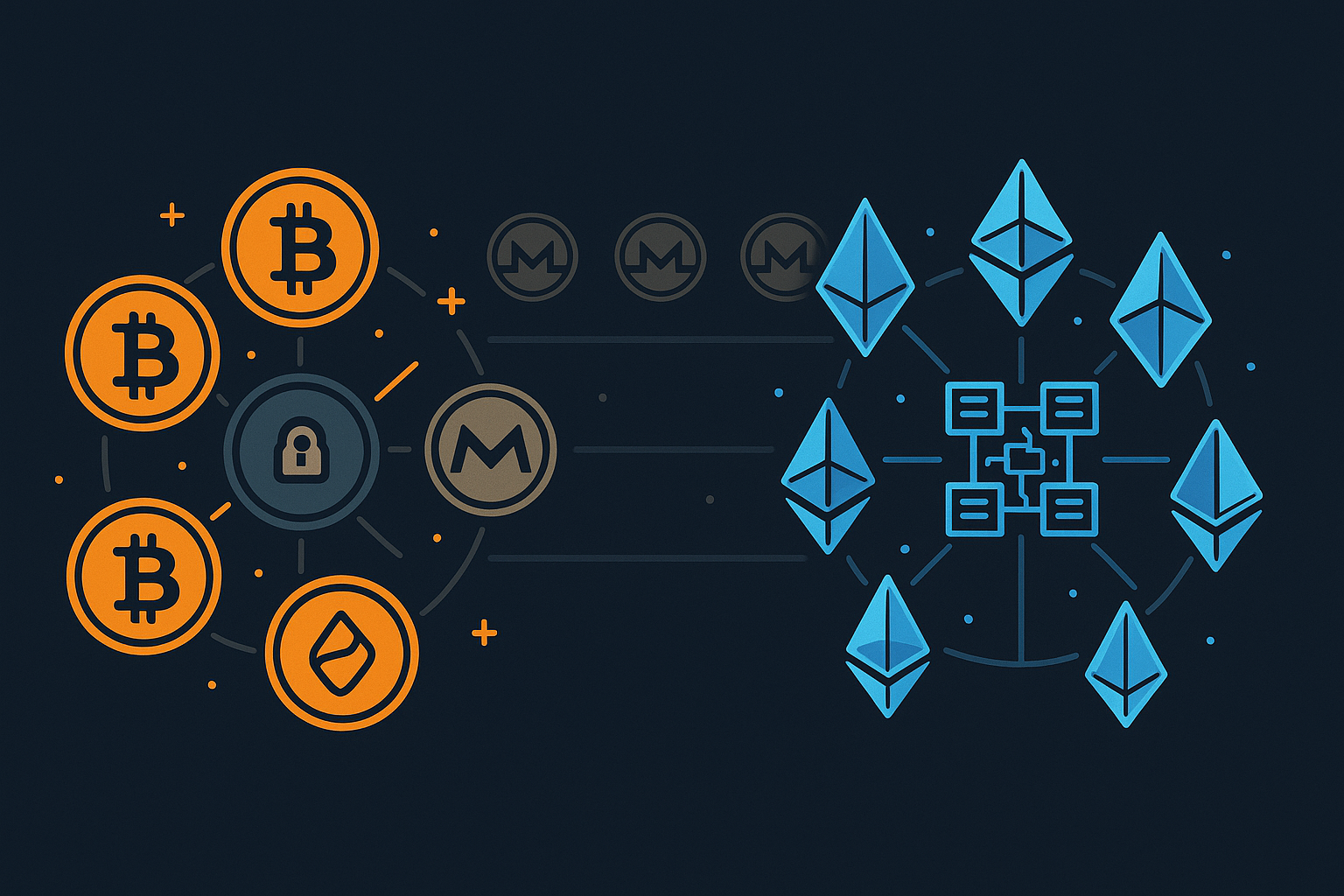
La tokenomics di ETH, soprattutto dopo l'EIP-1559 e il PoS, le conferisce una posizione unica come asset sia produttivo che potenzialmente deflazionistico, a seconda dell'utilizzo della rete e delle dinamiche di staking. Se la DeFi, il Web3 e la tokenizzazione di asset del mondo reale continueranno a crescere su Ethereum e sui suoi Layer 2, ETH potrebbe acquisire un valore economico significativo.
Principali rischi per entrambi
- Regolamento: Le modifiche al quadro normativo in materia di criptovalute, stablecoin e DeFi possono avere un impatto sui prezzi e sull'utilizzo di BTC ed ETH.
- Concorso: Le blockchain alternative di Livello 1 e le blockchain interoperabili competono con Ethereum, mentre altre narrazioni sull'"oro digitale" potrebbero diluire l'unicità di Bitcoin nel lunghissimo termine.
- Tecnologia ed esecuzione: Il ritmo di sviluppo più rapido di Ethereum comporta il rischio di aggiornamenti, mentre Bitcoin rischia di fossilizzarsi se non riesce ad adattarsi alle esigenze future.
In quale dovresti investire?
Tesi di investimento per Bitcoin (BTC)
Il Bitcoin è spesso più adatto agli investitori che:
- Desidero un'esposizione al mondo delle criptovalute con una narrazione relativamente "semplice" e una lunga storia di successi.
- Dare priorità alla sicurezza, al decentramento e all'offerta fissa rispetto alla programmabilità on-chain.
- Considera Bitcoin come oro digitale o copertura macroeconomica, non come un investimento legato alla crescita tecnologica.
Tesi di investimento per Ethereum (ETH)
ETH è spesso attraente per gli investitori che:
- Credo che DeFi, NFT e Web3 continueranno ad espandersi e a consolidarsi attorno a Ethereum e alle sue aggregazioni.
- Sono disposti ad accettare una maggiore volatilità in cambio di un potenziale di guadagno superiore.
- Desideri opportunità di rendimento on-chain tramite staking e partecipazione alla DeFi?
Strategia mista: detenere sia ETH che BTC
Molti investitori di criptovalute a lungo termine detengono entrambi gli asset, considerando BTC come investimento principale ed ETH come una componente più orientata alla crescita. La ponderazione del portafoglio può essere modificata nel tempo in base ai cicli di mercato, alla tolleranza al rischio personale e alla convinzione in ciascuna prospettiva.
Le piattaforme non custodial come GhostSwap semplificano questo processo. Puoi mantenere la custodia personale nel tuo wallet e ribilanciare tra ETH e BTC tramite swap istantanei senza creare account o sottoporti a procedure KYC, riducendo il rischio di controparte e mantenendo la flessibilità.
Come scambiare Ethereum (ETH) con Bitcoin (BTC)
Procedura dettagliata: conversione da ETH a BTC su GhostSwap
Su GhostSwap, puoi scambiare ETH con BTC istantaneamente senza KYC, registrazioni o depositi su un exchange centralizzato. Tutto avviene direttamente da portafoglio a portafoglio in pochi semplici passaggi:
- Collega o specifica il tuo portafoglio: Apri GhostSwap e seleziona Ethereum (ETH) come asset da inviare e Bitcoin (BTC) come asset da ricevere.
- Inserisci l'importo: Inserisci la quantità di ETH che desideri scambiare. GhostSwap ti mostrerà la quantità stimata di BTC e il tasso di cambio.
- Fornisci il tuo indirizzo BTC: Incolla l'indirizzo del tuo portafoglio Bitcoin personale dove desideri ricevere i BTC.
- Invia ETH all'indirizzo fornito: GhostSwap visualizzerà un indirizzo di deposito univoco. Invia i tuoi ETH dal tuo portafoglio a questo indirizzo.
- Attendi le conferme: Dopo aver ricevuto un numero sufficiente di conferme dalla rete Ethereum, GhostSwap esegue lo scambio e invia i BTC all'indirizzo specificato.
L'intero processo si completa solitamente in pochi minuti, a seconda delle condizioni di rete. Poiché GhostSwap è una piattaforma non-custodial, mantieni il pieno controllo dei tuoi fondi prima e dopo la transazione.
Pronti a scambiare ETH o BTC?
Se possiedi ETH e desideri una maggiore esposizione a BTC, o viceversa, non hai bisogno di un conto centralizzato o di un lungo processo di verifica. Utilizza GhostSwap come strumento di scambio privato e non custodial per ribilanciare rapidamente il tuo portafoglio durante i cicli di mercato.
Quando sei pronto, vai alla pagina di scambio istantaneo ETH/BTC , scegli gli importi e completa lo scambio in pochi clic direttamente dal tuo portafoglio.
Domande frequenti
Ethereum (ETH) è migliore di Bitcoin (BTC)?
Nessuno dei due asset è oggettivamente "migliore" in tutti i contesti. Bitcoin è generalmente più adatto come riserva di valore a lungo termine e asset macroeconomico, grazie alla politica monetaria più chiara e alla storia più lunga. Ethereum è generalmente migliore se si desidera un'esposizione alla crescita delle applicazioni decentralizzate, della DeFi e del Web3.
La scelta dovrebbe dipendere dai tuoi obiettivi, dalla tua tolleranza al rischio e dal tuo orizzonte temporale. Molti investitori detengono entrambi: BTC come oro digitale ed ETH come asset programmabile e redditizio legato all'attività on-chain.
Ethereum (ETH) può superare Bitcoin (BTC)?
Le discussioni sul "ribaltamento" si concentrano sulla possibilità che la capitalizzazione di mercato di ETH superi quella di BTC. A settembre 2026, ciò non si è ancora verificato; Bitcoin è ancora in testa con circa 1.6 miliardi di dollari di capitalizzazione di mercato contro i circa 304 miliardi di dollari di Ethereum.
In teoria, se l'ecosistema di Ethereum, il volume delle transazioni e le entrate da commissioni crescessero in modo significativo, ETH potrebbe ridurre il divario. Tuttavia, il marchio forte di BTC, l'adozione istituzionale e l'offerta limitata gli conferiscono una posizione solida e resiliente. Gli investitori dovrebbero considerare gli scenari di flippening come speculativi, non garantiti.
Dovrei possedere sia ETH che BTC?
Detenere entrambe le criptovalute è una strategia comune perché BTC ed ETH svolgono ruoli diversi e sono guidati da narrazioni parzialmente distinte. BTC può fungere da ancoraggio per un portafoglio di criptovalute come riserva di valore a rischio relativamente basso, mentre ETH aggiunge esposizione all'innovazione e alla crescita a livello applicativo.
Le allocazioni possono variare nel tempo con l'evolversi dei mercati. Nei periodi di boom della DeFi e del Web3, alcuni investitori tendono a privilegiare ETH; nei periodi di avversione al rischio macroeconomico, altri tornano a privilegiare BTC. Piattaforme non custodial come GhostSwap semplificano queste rotazioni, consentendo di scambiare ETH e BTC direttamente dai propri wallet.
Dove posso scambiare ETH con BTC?
È possibile scambiare ETH con BTC su molte piattaforme, ma se si preferisce la privacy e la custodia autonoma, un servizio di scambio non custodiale è spesso più in linea con i principi fondamentali delle criptovalute. Su GhostSwap, è possibile scambiare criptovalute istantaneamente tra ETH e BTC senza KYC, registrazione o detenzione di fondi su un exchange.
È sufficiente collegare il proprio portafoglio, inserire la quantità di ETH che si desidera scambiare, fornire il proprio indirizzo BTC e completare la transazione. Questo approccio riduce al minimo il rischio di controparte, consentendo al contempo di passare da una criptovaluta all'altra in base all'andamento del mercato.