Laut aktueller Analyse ist es zwar möglich, aber nicht einfach, dass Solana die 1,000-Dollar-Marke erreicht . Hier finden Sie eine datenbasierte Aufschlüsselung der realistischen Voraussetzungen für einen vierstelligen Kursanstieg von SOL sowie der möglichen Hindernisse.
In diesem Leitfaden betrachten wir die aktuelle Position von Solana, die für einen Kurs von 1,000 US-Dollar erforderliche Marktkapitalisierung, optimistische und pessimistische Szenarien sowie die Prognosen von Analysten und On-Chain-Daten für den Zeitraum 2026–2030. Wenn Sie aktiv mit SOL handeln oder Ihr Portfolio umstrukturieren möchten, können Sie SOL innerhalb von Sekunden privat gegen BTC tauschen, ohne ein Konto erstellen zu müssen.
Hinweis: Dies ist keine Finanzberatung. Führen Sie stets Ihre eigenen Recherchen durch und investieren Sie niemals Geld, dessen Verlust Sie sich nicht leisten können.
Solanas aktuelle Position
Bevor man sich fragt, „wird Solana die 1000 erreichen?“, ist es entscheidend zu verstehen, wo das Asset heute in Bezug auf Preis, Marktkapitalisierung und jüngste Wertentwicklung steht.
Solana-Preis, Marktkapitalisierung und Ranking (Mai 2026)
- Aktueller SOL-Preis: $90.94
- Marktkap: 52.50 Milliarden Dollar
- Rang nach Marktkapitalisierung: Platz 7 unter allen Kryptowährungen
- Zirkulierende Versorgung: 578.00 Millionen Sol
- Gesamtangebot: 626.36 Millionen Sol
- Maximaler Vorrat: Unbegrenzt (Inflation bei anhaltenden Emissionen)
Rein marktstrukturell betrachtet zählt Solana bereits zu den führenden Layer-1-Blockchains nach Marktkapitalisierung. Laut öffentlichen Marktdaten führender Aggregatoren wie CoinGecko und CoinMarketCap gehört SOL konstant zu den Top 10 und konkurriert direkt mit Ethereum, BNB Chain und anderen Smart-Contract-Plattformen.
Aktuelle Wertentwicklung und Volatilität
- Preisänderung innerhalb von 24 Stunden: -1.00 %
- Preisänderung innerhalb von 7 Tagen: + 2.56%
- Preisänderung innerhalb von 30 Tagen: + 5.78%
- Preisänderung im Laufe eines Jahres: -49.79 %
- Allzeithoch (ATH): 293.31 $ am 06.07.2013
- Allzeittief: 0.5008 $ am 06.07.2013
Im vergangenen Jahr hat sich der Kurs von SOL seit seinem Allzeithoch im Jahr 2025 fast halbiert. Dieser Kursrückgang verdeutlicht die anhaltende Volatilität von Altcoins mit hoher Marktkapitalisierung, selbst nach jahrelanger Entwicklung und Akzeptanz. Gleichzeitig zeigt der langfristige Chart weiterhin einen außergewöhnlichen Anstieg von unter 1 US-Dollar im Jahr 2020 auf fast 300 US-Dollar im Jahr 2025.
Diese Kombination aus hoher Volatilität, großen historischen Gewinnen und einer anhaltenden Top-10-Marktkapitalisierung ist zentral für jede realistische Solana-Preisprognose von 1,000 US-Dollar.
Was müsste Solana tun, um 1,000 Dollar zu erreichen?
Um beurteilen zu können, ob Solana die 1000er-Marke erreichen wird, müssen wir zunächst quantifizieren, was ein SOL-Preis von 1,000 US-Dollar in Bezug auf die Marktkapitalisierung tatsächlich bedeutet.
Erforderliche Marktkapitalisierung: einfache Mathematik
Für diese Berechnung verwenden wir den aktuellen Umlaufbestand von 578 Millionen SOL.
Kursziel: 1,000 US-Dollar pro SOL
Formel: Marktkapitalisierung = Preis × Umlaufmenge
Marktkapitalisierung bei 1,000 US-Dollar:
- $1,000 × 578,000,000 SOL = $578,000,000,000
Damit Solana einen Kurs von 1,000 US-Dollar erreicht, wäre eine Marktkapitalisierung von rund 578 Milliarden US-Dollar erforderlich , vorausgesetzt, das Umlaufangebot bleibt auf dem aktuellen Niveau. Angesichts des Inflationsmodells von Solana und potenzieller zukünftiger Emissionen könnte die tatsächlich erforderliche Obergrenze etwas höher ausfallen, falls das Angebot bis 2030 deutlich steigt.
Wie groß ist diese Steigerung im Vergleich zu heute?
- Aktuelle Marktkapitalisierung: 52.50 Milliarden Dollar
- Erforderliche Marktkapitalisierung bei 1,000 US-Dollar: ~ 578 Milliarden US-Dollar
Erforderliche Anzahl:
- 578 Mrd. $ / 52.50 Mrd. $ ≈ 11x erhöhen ausgehend von der heutigen Marktkapitalisierung
Anders ausgedrückt: Solana müsste von seiner aktuellen Bewertung um etwa 1,000 Prozent steigen, um die 1,000-Dollar-Marke zu erreichen. Das ist zwar eine große, aber im Kryptobereich innerhalb eines mehrjährigen Aufwärtszyklus nicht beispiellose Bewegung.
Vergleicht man Solanas Zielvorgabe mit anderen Blue Chips,
Zum besseren Verständnis: Hier ein Vergleich der Marktkapitalisierung von Solana in Höhe von 578 Milliarden US-Dollar mit historischen und hypothetischen Werten anderer bedeutender Vermögenswerte:
- Bitcoin: Die Marktkapitalisierung von BTC überstieg in den Jahren 2021 und 2024 die Marke von 1 Billion US-Dollar und lag damit mehr als doppelt so hoch wie das von Solana angestrebte Ziel von 1,000 US-Dollar.
- Äther: ETH hat in starken Bullenmärkten bereits die 500-Milliarden-Dollar-Marke erreicht, was in etwa einem SOL-Szenario von 1,000 Dollar entspricht.
- Top-Tech-Aktien: Mega-Unternehmen wie Apple und Microsoft erreichten Bewertungen von mehreren Billionen, die weit über diesem Rahmen liegen, obwohl sie in völlig anderen Märkten tätig sind.
Dieser Vergleich zeigt, dass eine Bewertung von 500 bis 600 Milliarden US-Dollar zwar ambitioniert, aber nicht abwegig für eine führende Smart-Contract-Plattform ist, falls die Kryptomärkte eine weitere große Expansion erleben und Solana einen bedeutenden Anteil an der gesamten Web3-Aktivität erzielt.
Sie können Ihr SOL-Exposure gegenüber Bitcoin direkt verfolgen und jederzeit ein Rebalancing durchführen, indem Sie einen nicht-verwahrenden SOL/BTC-Swap ohne Registrierung verwenden.
Bull Case: Wie Solana die 1,000-Dollar-Marke erreichen könnte
Im optimistischen Szenario sollten wir die strukturellen Vorteile und Wachstumstreiber untersuchen, die die Bewertung von Solana in den dreistelligen Milliardenbereich treiben könnten.
1. Infrastrukturvorteil mit hohem Durchsatz und niedrigen Gebühren
Solanas zentrales Wertversprechen liegt in seinem hohen Durchsatz und den niedrigen Transaktionskosten. Das Netzwerk nutzt eine Kombination aus Proof of History (PoH) und Proof of Stake (PoS), um Blockzeiten im Subsekundenbereich und ein sehr hohes Transaktionspotenzial pro Sekunde (TPS) zu erreichen, während die Gebühren unter normalen Netzwerkbedingungen typischerweise unter einem Cent liegen.
Dieses Design hat Solana zu einer bevorzugten Basisschicht gemacht für:
- DeFi-Protokolle die eine schnelle Ausführung und granulare Arbitrage erfordern
- NFT-Marktplätze und Spieleplattformen, bei denen niedrige Gebühren entscheidend sind
- On-Chain-Orderbücher und DEXs, die mit einer Performance ähnlich zentralisierten Börsen experimentieren
Wenn Solana seine Stabilität und Skalierbarkeit weiter verbessert, ohne die Dezentralisierung zu beeinträchtigen, könnte es sich zu einer der wichtigsten Ausführungsschichten für verbraucherorientierte Krypto-Apps entwickeln. Eine solche Akzeptanz könnte eine Bewertung im dreistelligen Milliardenbereich rechtfertigen.
2. Ausbau der Solana DeFi-, NFT- und Verbraucher-App-Ökosysteme
Über die Basisschicht hinaus ist es letztendlich das darauf aufbauende Ökosystem, das einer Smart-Contract-Plattform ihren Wert verleiht . Solana verzeichnete ein starkes Wachstum in folgenden Bereichen:
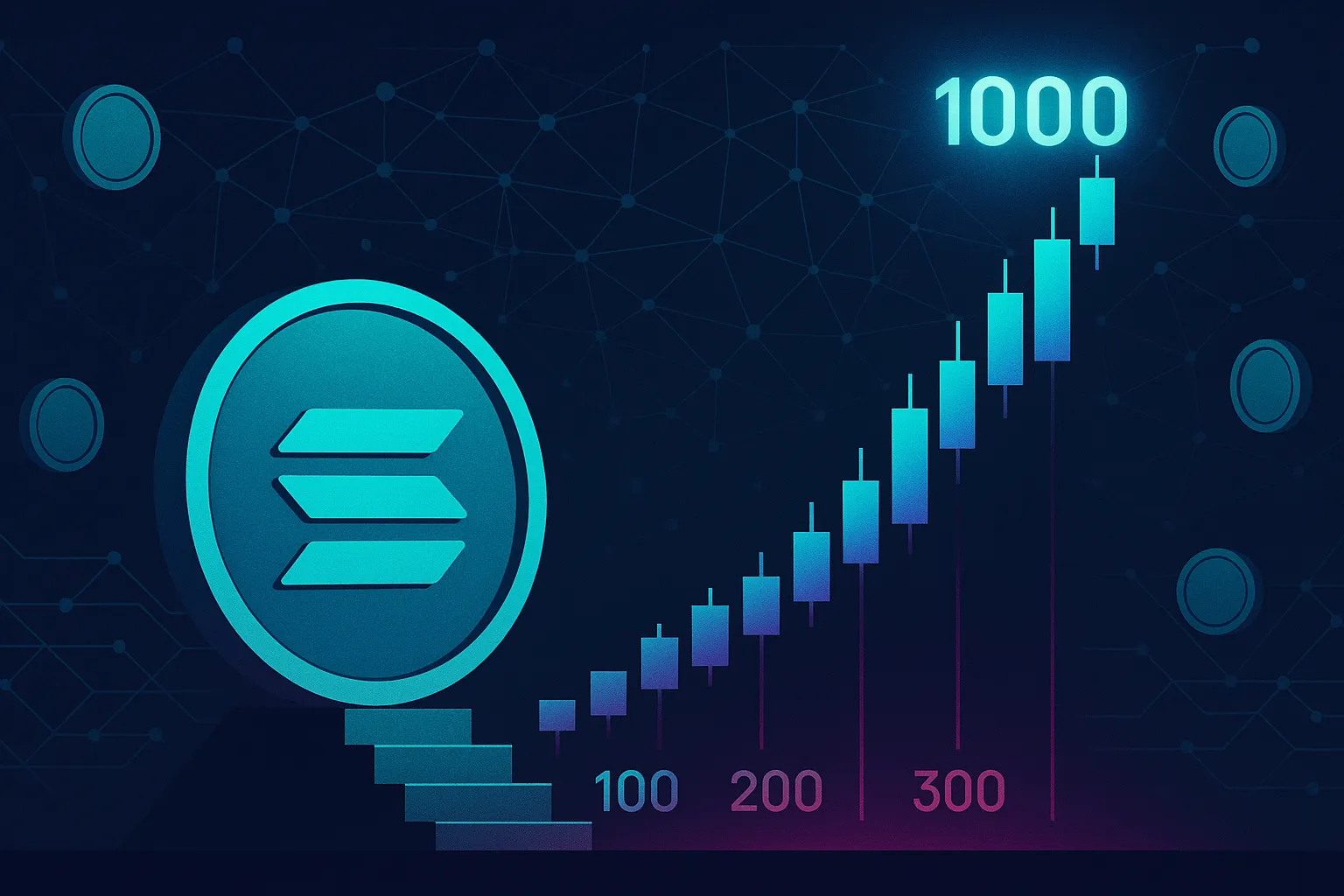
- DeFi: Kreditplattformen, dezentrale Börsen für Perpetual Futures, Liquid Staking und Stablecoin-Infrastruktur
- NFTs: Sammlungen, Spielressourcen und Entwicklerwerkzeuge, die kostengünstiges Prägen und Handeln nutzen.
- Verbraucher-Apps: Wallets, Social-Media-Apps und On-Chain-Zahlungen mit mobilfreundlicher Benutzeroberfläche
Wenn der nächste Aufschwung durch die tatsächliche Nutzerakzeptanz in den Bereichen Gaming, Social Media, Mikrozahlungen und DeFi getrieben wird, könnten die Leistungsmerkmale von Solana Millionen aktiver Nutzer anziehen. Ein Anstieg der On-Chain-Aktivität, der Transaktionsgebühren und der Nachfrage nach Staking kann allesamt zu einer höheren wahrgenommenen Wertschöpfung für SOL beitragen.
3. Institutionelles Interesse und regulatorische Klarheit
Damit Solana eine Bewertung von über 500 Milliarden US-Dollar halten kann, ist eine signifikante institutionelle Beteiligung erforderlich. Im Laufe der Zeit könnte dies Folgendes umfassen:
- Spot- und Derivateprodukte an großen, regulierten Handelsplätzen
- Solana-basierte Tokenisierung von realen Vermögenswerten (RWAs)
- Institutionelle DeFi-Lösungen auf Solana mit Compliance-Ebenen und KYC-geschützten Pools
Klarere Regulierungen für Kryptowertpapiere und -rohstoffe in wichtigen Jurisdiktionen könnten Pensionsfonds, Vermögensverwaltern und Unternehmen den Weg ebnen, in SOL-basierte Produkte zu investieren. Solche Kapitalzuflüsse sind typischerweise der Grund, warum Krypto-Assets in die oberen Segmente der Marktkapitalisierung aufsteigen.
Bei GhostSwap können Sie SOL gegen BTC, ETH, USDT und über 1,600 weitere Kryptowährungen tauschen – ganz ohne KYC-Prüfung.
4. Makroökonomisches Umfeld und Gesamtausweitung des Kryptomarktes
Ein Solana-Preis von 1,000 US-Dollar ist realistischerweise von einem deutlichen Wachstum des gesamten Kryptomarktes abhängig . Damit SOL einen Wert von rund 578 Milliarden US-Dollar erreichen könnte, müsste die gesamte Marktkapitalisierung des Kryptomarktes wahrscheinlich mehrere Billionen US-Dollar betragen, wobei Bitcoin möglicherweise über seinen bisherigen Höchstständen notieren und Ethereum seine bisherigen Höchstwerte erreicht oder sogar übertroffen haben müsste.
Zu den Treibern einer solchen Expansion könnten folgende gehören:
- Breitere Akzeptanz von Stablecoins und Kryptozahlungen
- Günstigere Geldpolitik und Inflationssorgen
- Integration von Krypto-Infrastrukturen in gängige Fintech- und Bankplattformen
In einem solchen Umfeld könnten führende Layer-1-Ketten wie Solana zu Bewertungen gehandelt werden, die mit denen großer globaler Technologieunternehmen vergleichbar sind, was einen Preis von 1,000 US-Dollar weniger abwegig erscheinen lässt.
Bärenfall: Warum Solana die 1,000-Dollar-Marke möglicherweise nicht erreicht
Um die Frage „Wird Solana die 1000er-Marke erreichen?“ ehrlich zu beantworten, müssen wir auch ernsthafte Hindernisse betrachten, die SOL weit unter diesem Ziel halten könnten.
1. Starker Wettbewerb durch andere Layer-1- und Layer-2-Netzwerke
Solana ist nicht allein. Ethereum und sein Layer-2-Rollup-Ökosystem, BNB Chain, Avalanche, Aptos, Sui und viele andere konkurrieren alle um die gleiche Aufmerksamkeit von DeFi-, NFT- und App-Entwicklern.
Zu den Hauptrisiken zählen:
- Ethereum-Skalierung: Wenn Rollups und zukünftige Ethereum-Upgrades die Engpässe und Gebührenprobleme lösen, könnten Entwickler die größere Sicherheits- und Liquiditätsbasis von Ethereum bevorzugen.
- Neueinsteiger: Blockchains der nächsten Generation mit hohem Durchsatz könnten eine ähnliche oder sogar bessere Leistung bei verbesserter Dezentralisierung oder optimierten Entwicklerwerkzeugen bieten.
- Fragmentierung mehrerer Ketten: Statt eines einzigen „Gewinners“ kann sich die Aktivität über viele Ketten erstrecken, wodurch Solanas Anteil am Gesamtwert begrenzt wird.
Wenn es Solana nicht gelingt, einen klaren und verteidigungsfähigen Vorteil in Bezug auf Benutzererfahrung und Ökosystemtiefe zu erzielen, könnte die langfristige Marktkapitalisierungsgrenze deutlich unter 500 Milliarden US-Dollar liegen.
2. Netzwerkzuverlässigkeit, Ausfälle und technische Probleme
Solana hatte in der Vergangenheit bei hoher Auslastung mit Netzwerkausfällen und Leistungsproblemen zu kämpfen . Obwohl das Kernteam und die Validator-Community mehrere Upgrades zur Verbesserung der Stabilität durchgeführt haben, haben diese Vorfälle Fragen zur Ausfallsicherheit und Dezentralisierung des Netzwerks aufgeworfen.
Märkte sind zukunftsorientiert. Wenn Investoren und Entwickler der Ansicht sind, dass Solanas Design die Zuverlässigkeit oder Zensurresistenz beeinträchtigt, könnten sie den Wert von SOL herabsetzen, insbesondere im Vergleich zu konservativeren Architekturen wie Ethereum. Auch eine anhaltende Wahrnehmung von Fragilität könnte die institutionelle Akzeptanz einschränken.
3. Tokenomics, Inflation und Verkaufsdruck
Im Gegensatz zu Bitcoin verfügt Solana über ein unbegrenztes maximales Angebot und generiert durch fortlaufende Inflationsemissionen Belohnungen für das Staking. Obwohl die Inflation im Laufe der Zeit sinken soll, stellt sie dennoch eine strukturelle Quelle für neues Angebot auf dem Markt dar.
Zusätzlicher Abwärtsdruck kann entstehen durch:
- Frühinvestoren und Team erhalten Zugang
- Verkauf von Staking-Belohnungen durch Validatoren
- Projektkassen und Ökosystemfonds, die SOL-Anreize verteilen oder liquidieren
Wenn das Nachfragewachstum diesen Emissions- und Verkaufsdruck nicht nachhaltig überkompensiert, könnte es für SOL schwierig werden, über viele Jahre hinweg hohe Bewertungen aufrechtzuerhalten, geschweige denn in den Bereich von 1,000 US-Dollar vorzustoßen.
4. Regulatorische, makroökonomische und Adoptionsrisiken
Kryptowährungen reagieren weiterhin sehr empfindlich auf regulatorische Nachrichten und makroökonomische Trends. Wesentliche negative Entwicklungen könnten beispielsweise Folgendes umfassen:
- Strenge regulatorische Einstufung der Verjährungsfrist in wichtigen Rechtsordnungen
- Beschränkungen bei DeFi und Selbstverwahrung wirken sich auf die Nutzung aus
- Anhaltende risikoscheue makroökonomische Umfelder verringern die Nachfrage nach spekulativen Wachstumsanlagen.
Wenn das nächste Jahrzehnt restriktivere Regeln oder wiederholte Krypto-Markteinbrüche mit sich bringt, könnte es selbst für fundamental starke Projekte wie Solana schwierig werden, eine Bewertung von über 500 Milliarden Dollar zu erreichen und aufrechtzuerhalten.
Expertenmeinungen zu Solana
Öffentliche Kommentare von Analysten und Branchenteilnehmern zu Solana lassen sich typischerweise in wenige Kategorien einteilen, von sehr optimistisch bis skeptisch. Konkrete Kursziele für „Solana 1,000 $“ sind zwar spekulativ, doch die Stimmungslage ist hilfreich, um die Trends zu verstehen.
Optimistische Analysten- und Bauherrenperspektiven
Viele Bauunternehmen im Solana-Ökosystem heben Folgendes hervor:
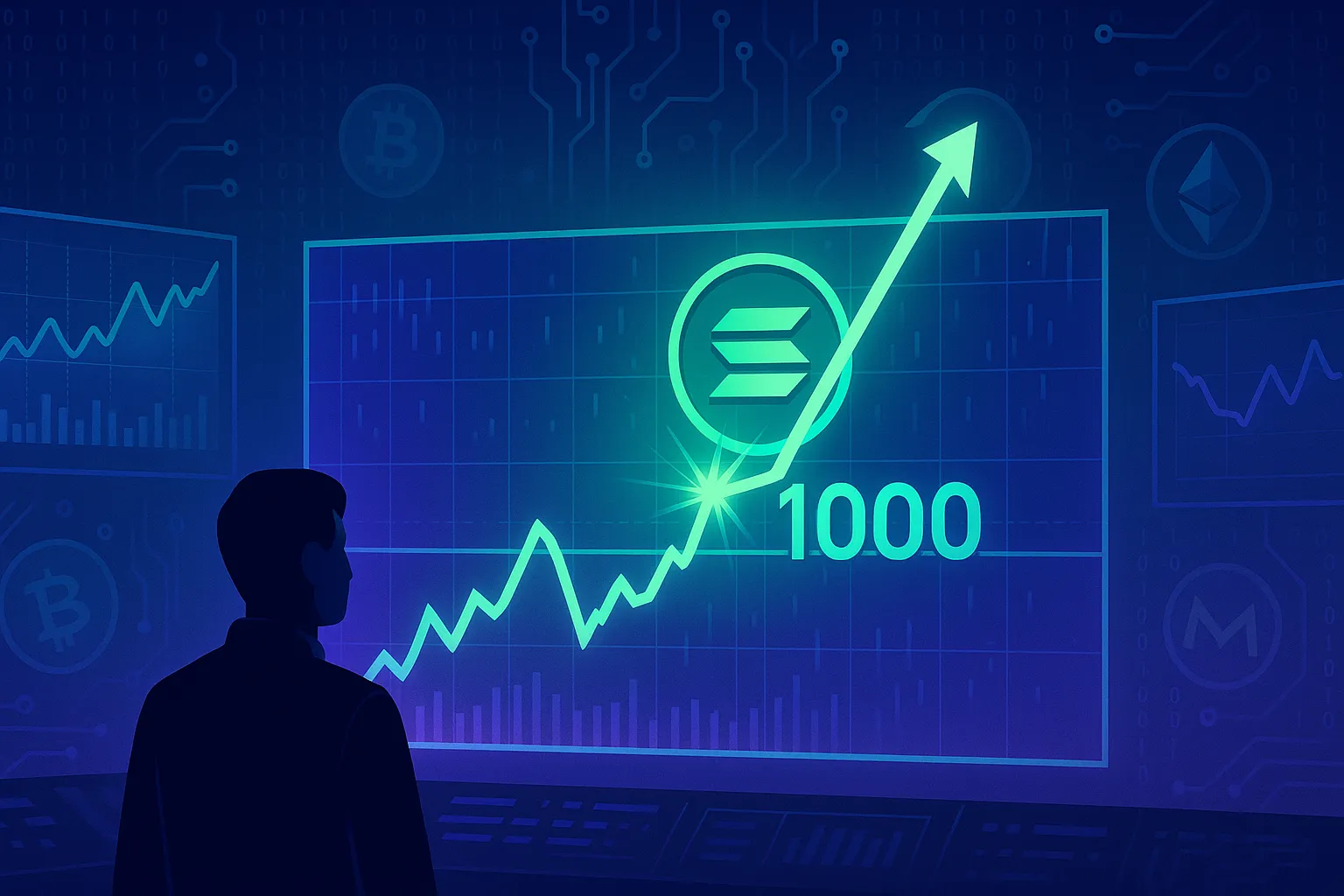
- Die Entwickleraktivitäten des Netzwerks und die Teilnahme an Hackathons
- Rasantes Wachstum des On-Chain-Volumens in den DeFi- und NFT-Märkten
- Kontinuierliche Kern-Upgrades zur Verbesserung von Durchsatz und Stabilität
Befürworter argumentieren, dass Solana aufgrund seiner Leistungsfähigkeit und Benutzerfreundlichkeit ein aussichtsreicher Kandidat sei, falls neben Ethereum eine andere Blockchain Massenmarktanwendungen in großem Umfang realisieren könne. In diesem Szenario sehen einige langfristige Prognosen Solana unter den größten Vermögenswerten nach Marktkapitalisierung, potenziell in dem Bewertungsbereich, den ein Kurs von 1,000 US-Dollar impliziert.
Skeptische und vorsichtige Standpunkte
Andererseits weisen vorsichtigere Stimmen auf Folgendes hin:
- Frühere Netzwerkausfälle und die Komplexität der Aufrechterhaltung eines so hohen Durchsatzes
- Konzentration der Interessen bei relativ wenigen Validatoren oder Entitäten
- Unsicherheit hinsichtlich der langfristigen Tokenomics und der Nachhaltigkeit von Anreizen
Viele traditionelle Analysten warnen zudem davor, dass die Bewertungen von Aktien der ersten Ebene zyklischen Schwankungen unterliegen können: Sie erreichen in Aufwärtsmärkten ihren Höhepunkt und entwickeln sich in Abwärtsmärkten schwächer, da sich die Aufmerksamkeit auf neue Trends verlagert. Aus dieser Perspektive ist es riskant, einen Kurs von „Solana $1,000“ als garantiert anzusehen, ungeachtet der technischen Stärken von Solana.
Bedenken Sie stets, dass kein Experte Preise mit Sicherheit vorhersagen kann. Jede Preisprognose für Solana ab 2030 ist spekulativ und mit großen Unsicherheiten behaftet.
Unser Urteil
Zusammenfassend lässt sich sagen: Wie wahrscheinlich ist ein Preis von 1,000 US-Dollar für Solana, und in welchem Zeitrahmen ist damit zu rechnen?
Wahrscheinlichkeit und Zeitrahmen für 1,000 $ SOL
In Anbetracht von Solanas:
- Aktuelle Top-10-Platzierung und starke Dynamik im Ökosystem
- Technischer Vorteil bei Durchsatz und Gebühren
- Wertentwicklung in der Vergangenheit und Volatilität
- Wettbewerbs- und Regulierungsrisiken
Unsere qualitative Sichtweise ist:
- 2026: Solana erreicht bis 2026 offenbar 1,000 Dollar. unwahrscheinlichda dies eine Verelffachung der Marktkapitalisierung in relativ kurzer Zeit sowie eine starke Ausweitung des gesamten Kryptomarktes erfordern würde.
- 2027-2030: Dass Solana Ende der 2020er Jahre die 1,000-Dollar-Marke erreichte, ist möglich, aber herausforderndEs bedarf wahrscheinlich eines mehrjährigen Aufwärtstrends, einer starken institutionellen Beteiligung, kontinuierlicher Verbesserungen der Netzwerkstabilität und der Tatsache, dass Solana einen führenden Anteil an DeFi, NFTs und Verbraucher-Apps erobert.
Mit anderen Worten: Die Frage „Wird Solana die 1000er-Marke erreichen?“ lässt sich über einen Zeitraum von 5 bis 10 Jahren vorsichtig positiv, aber unsicher beantworten, mit einem erheblichen Aufwärtspotenzial, aber ebenso erheblichen Risiken.
Praktische Auswirkungen für Anleger und Händler
Für langfristig orientierte Anleger kann das Kursziel von 1,000 US-Dollar ein nützliches Gedankenexperiment sein, um Solanas potenziellen Anteil an der zukünftigen Web3-Wirtschaft zu verdeutlichen. Für kurz- und mittelfristig orientierte Händler ist es hingegen möglicherweise sinnvoller, sich auf Unterstützungs- und Widerstandsniveaus, die relative Stärke gegenüber Bitcoin und Ethereum sowie Neuigkeiten aus dem Ökosystem zu konzentrieren, anstatt sich an einer weit entfernten runden Zahl festzuhalten.
Ihre Strategie sollte in jedem Fall Volatilität, Diversifizierung und Risikomanagement berücksichtigen. Sie können Ihr Engagement ohne Verwahrung anpassen, indem Sie eine private Börse nutzen, um SOL gegen BTC oder andere Vermögenswerte zu tauschen, wenn sich die Marktbedingungen ändern.
Bereit, Solana zu tauschen?
Wenn Sie sich auf potenzielle langfristige Szenarien für Solana einstellen möchten, benötigen Sie weder ein Konto noch KYC-Verifizierung. Auf GhostSwap können Sie SOL sofort mit Ihrer eigenen Wallet gegen BTC und über 1,600 weitere Assets tauschen – ohne Verwahrungspflicht und ohne das Risiko zentralisierter Konten.
Tauschen Sie SOL gegen BTC auf GhostSwap und verwalten Sie Ihr Solana-Risiko privat und effizient.
Häufig gestellte Fragen
Wird Solana im Jahr 2026 die 1,000-Dollar-Marke erreichen?
Auf Basis der aktuellen Daten ist es unwahrscheinlich , dass Solana im Jahr 2026 die 1,000-Dollar-Marke erreicht . Bei einem aktuellen Kurs von 90.94 Dollar und einer Marktkapitalisierung von 52,5 Milliarden Dollar müsste SOL seine Marktkapitalisierung innerhalb relativ kurzer Zeit um das Elffache auf rund 578 Milliarden Dollar steigern.
Obwohl sich Kryptomärkte schnell bewegen können, würde ein solcher Sprung wahrscheinlich einen extremen Bullenmarkt, eine rasche institutionelle Akzeptanz und die feste Etablierung von Solana als dominante Plattform für DeFi, NFTs und Verbraucher-Apps erfordern. Es ist nicht unmöglich, aber die Hürde ist in diesem Zeitraum hoch.
Was ist der höchste SOL-Wert?
Für Solana gibt es keinen festgelegten Höchstpreis, da das Angebot praktisch unbegrenzt ist und der Preis von der Marktnachfrage bestimmt wird. Solana erreichte im Januar 2025 bereits ein Allzeithoch von 293.31 US-Dollar.
Theoretisch könnte Solana, wenn der gesamte Kryptomarkt auf mehrere Billionen Dollar anwächst und Solana einen großen Anteil der On-Chain-Aktivitäten ausmacht, deutlich über seinen bisherigen Höchstständen notieren. Ein Preis von 1,000 US-Dollar würde bei der aktuellen Angebotsmenge eine Marktkapitalisierung von rund 578 Milliarden US-Dollar bedeuten. Höhere Preise sind mathematisch möglich, doch jeder Preisanstieg erfordert exponentiell mehr Kapital und eine breitere Akzeptanz. Daher sollten die Erwartungen konservativ und risikobewusst bleiben.
Ist Solana eine gute Investition?
Ob Solana eine gute Investition ist, hängt von Ihrer Risikobereitschaft, Ihrem Anlagehorizont und Ihrem Vertrauen in die Technologie und das Ökosystem ab. Positiv hervorzuheben ist, dass Solana Folgendes bietet:
- Hoher Durchsatz und niedrige Gebühren, geeignet für Apps im Verbrauchermaßstab
- Ein wachsendes Ökosystem für DeFi, NFTs und Apps
- Top-10-Marktkapitalisierung und hohe Markenbekanntheit
Auf der Risikoseite müssen Anleger Folgendes berücksichtigen:
- Historische Netzwerkausfälle und technische Komplexität
- Starker Wettbewerb durch Ethereum und andere Layer-1-Plattformen
- Regulatorische Unsicherheit und makroökonomische Volatilität
Viele Anleger halten Solana lieber als Teil eines diversifizierten Krypto-Portfolios, anstatt es auf eine einzige Kryptowährung zu konzentrieren. Führen Sie stets eigene Recherchen durch und ziehen Sie gegebenenfalls einen Finanzberater zu Rate. Dies ist keine Finanzberatung.
Wo kann ich Solana ohne KYC-Verifizierung kaufen?
Wenn Sie SOL ohne KYC tauschen und die Kontrolle über Ihre Schlüssel behalten möchten, sind Instant-Swap-Plattformen ohne Verwahrung eine praktische Option. Mit GhostSwap können Sie Solana direkt aus Ihrer Wallet gegen BTC, ETH, Stablecoins und über 1,600 weitere Kryptowährungen tauschen – ohne Registrierung, ohne Konto und ohne Verwahrungsrisiko.
Verbinden Sie einfach Ihre Wallet, wählen Sie das gewünschte Währungspaar (z. B. SOL zu BTC) und führen Sie den Tausch durch. GhostSwap bietet Ihnen eine komfortable Möglichkeit, auf die Liquidität von Solana zuzugreifen und gleichzeitig die Kontrolle über Ihre Kryptowährungen zu behalten – ganz ohne Konto.
Hinweis: Dies ist keine Finanzberatung. Der Handel mit Kryptowährungen birgt hohe Risiken. Sie sollten Ihre Anlageziele und Ihre Erfahrung sorgfältig abwägen, bevor Sie teilnehmen.