В 2026 году Ethereum по-прежнему доминирует в сфере смарт-контрактов и DeFi, в то время как Solana предлагает более быстрые и дешевые транзакции, а также растущую экосистему. Ethereum (ETH) более проверен в боевых условиях и децентрализован, но Solana (SOL) обеспечивает превосходную производительность для приложений с высокой пропускной способностью. Для многих инвесторов и пользователей наиболее практичный подход — это хранение обоих криптовалют и ребалансировка портфеля с использованием некастодиальных инструментов обмена, таких как обмен SOL на ETH от GhostSwap.
| Характеристика | Солана (SOL) (SOL) | Эфириум (ETH) (ETH) |
|---|---|---|
| Текущая цена (03.03.2026) | $89.91 | $2,064.63 |
| Рынок | 51.22 млрд долларов (7-е место) | 249.17 млрд долларов (2-е место) |
| Цель/Случай использования | Высокопроизводительные смарт-контракты, DeFi, NFT, платежи | Универсальные смарт-контракты, DeFi, NFT, платформа Web3. |
| Механизм согласования | Доказательство доли + Доказательство истории | Доказательство доли владения (Ethereum PoS) |
| Скорость транзакции | Сотни и тысячи транзакций в секунду в основной сети, финализация менее чем за секунду. | Десятки TPS на L1, еще больше за счет роллапов; время работы блока ~12 секунд. |
| Сборы | Очень низкая (часто доли цента) | На уровне L1 — выше, на уровне L2 — значительно ниже (роллапы). |
Краткий обзор: Solana (SOL) против Ethereum (ETH)
В споре между Solana и Ethereum основное внимание уделяется трем аспектам: производительности, децентрализации и зрелости экосистемы.
Solana фокусируется на высокой скорости и низких комиссиях. Она использует инновационную систему Proof of History (PoH) в сочетании с Proof of Stake (PoS) для обработки тысяч транзакций в секунду с очень низкими комиссиями. Это делает её привлекательной для высокочастотных DeFi, ончейн-игр и потребительских приложений, которым необходима скорость отклика в реальном времени.
Ethereum ставит во главу угла децентрализацию, безопасность и компонуемость. Он перешёл на Proof of Stake и опирается на модульную дорожную карту, где масштабирование осуществляется на уровне второго уровня. Ethereum обладает наибольшей ликвидностью, самым глубоким стеком DeFi и самым широким сообществом разработчиков в Web3.
На практике Solana часто лучше подходит для быстрого и недорогого взаимодействия с пользователями, в то время как Ethereum остается основным расчетным уровнем для серьезных DeFi-проектов, институциональной деятельности и кроссчейн-ликвидности. Трейдеры часто переключаются между ними, используя частные, некастодиальные каналы для мгновенного обмена SOL на ETH при изменении рыночных условий.
Что такое Солана (SOL)?
Solana — это высокопроизводительный блокчейн, разработанный для поддержки масштабируемых и недорогих децентрализованных приложений. Запущенный в 2020 году компанией Solana Labs, он стремится стать единой глобальной конечной машиной состояний, способной обрабатывать тысячи транзакций в секунду без использования дополнительных уровней масштабирования. Он фокусируется на скорости и пропускной способности, сохраняя при этом чрезвычайно низкие комиссии, часто составляющие менее доли цента.
Технически, Solana сочетает в себе уникальный механизм Proof of History с Proof of Stake. Proof of History создает проверяемые криптографические часы, которые упорядочивают транзакции, позволяя валидаторам обрабатывать блоки параллельно и увеличивать пропускную способность. Эта архитектура позволила Solana занять лидирующие позиции в сети для внутрисетевой торговли, NFT, игр и платежей.
По состоянию на март 2026 года SOL торгуется по цене 89.91 доллара США, а рыночная капитализация составляет 51.22 миллиарда долларов США, занимая 7-е место по рыночной капитализации. В обращении находится около 569.77 миллионов SOL, и нет жесткого ограничения на их количество. Хотя Solana в прошлом сталкивалась с сбоями в сети, она продолжает привлекать разработчиков и пользователей, ищущих быстрые и удобные для потребителя веб-приложения Web3.
Что такое Ethereum (ETH)?
Ethereum — это оригинальная платформа для смарт-контрактов и основа большей части децентрализованных финансов и экосистемы Web3. Предложенный Виталиком Бутериным и запущенный в 2015 году, Ethereum представил программируемые деньги посредством смарт-контрактов, что позволило создавать такие приложения, как децентрализованные биржи, рынки кредитования, NFT, DAO и многое другое.
Ethereum много лет использовал Proof of Work, а затем завершил переход на Proof of Stake в результате «слияния». Теперь он использует механизм консенсуса PoS, где валидаторы размещают ETH в стейкинг для обеспечения безопасности сети и получения вознаграждений. Архитектура Ethereum сместилась в сторону модульной архитектуры, в которой основная цепочка (уровень 1) обеспечивает безопасность и доступность данных, а роллапы уровня 2 обрабатывают большинство пользовательских транзакций и масштабирование.
По состоянию на март 2026 года цена ETH составляла 2,064.63 доллара США, а рыночная капитализация — 249.17 миллиарда долларов США, что ставит его на второе место на криптовалютном рынке. В обращении и в общем объеме предложения находится приблизительно 120.69 миллиона ETH, без фиксированного максимума. Ethereum остается наиболее проверенной в боевых условиях платформой для смарт-контрактов, обладающей крупнейшим сообществом разработчиков и самой глубокой ликвидностью в сегментах DeFi и NFT.
Solana (SOL) против Ethereum (ETH): Технология
Модель консенсуса и безопасности
Ethereum использует чистую модель Proof of Stake, где валидаторы размещают свои ETH в стейкинг и случайным образом выбираются для предложения и подтверждения блоков. Безопасность основана на экономических стимулах и штрафах: злонамеренные валидаторы рискуют лишиться своей доли. Эта модель в сочетании с широким распределением валидаторов поддерживает цели децентрализации Ethereum. Вы можете ознакомиться с подробностями протокола на официальном сайте ethereum.org.
Solana использует гибрид Proof of History и Proof of Stake. Proof of History сам по себе не является механизмом консенсуса, а представляет собой криптографическую последовательность, которая отмечает события по времени, позволяя валидаторам более эффективно согласовывать порядок транзакций. Валидаторы по-прежнему размещают SOL в стейкинге для участия в консенсусе и обеспечения безопасности сети. Хотя такая архитектура обеспечивает высокую пропускную способность, критики утверждают, что Solana более ресурсоемка и менее децентрализована, чем Ethereum.
Масштабируемость и пропускная способность
Масштабируемость — это ключевой аспект сравнения Solana и Ethereum. Solana стремится к масштабируемости на одном уровне, выжимая максимальную производительность из современного оборудования. На практике она регулярно обрабатывает сотни и тысячи транзакций в секунду в основной сети, обеспечивая подтверждение за доли секунды и быструю окончательную обработку.
Базовый уровень Ethereum сам по себе обрабатывает гораздо меньше транзакций в секунду, но экосистема спроектирована для масштабирования с помощью решений второго уровня, таких как оптимистичные и нулевое разглашение данных. Сети, такие как Arbitrum, Optimism и zkSync, объединяют множество транзакций вне блокчейна, а затем отправляют данные обратно в Ethereum для обеспечения безопасности. Такой модульный подход жертвует некоторой скоростью на уровне L1 ради большей децентрализации и отказоустойчивости.
Комиссии и пользовательский опыт
Solana изначально устанавливает очень низкие комиссии. Даже в периоды высокой загрузки транзакционные издержки обычно составляют доли цента, что привлекательно для высокочастотных трейдеров, NFT-мейкеров и потребительских приложений, где пользователи чувствительны к издержкам.
Комиссии за транзакции на первом уровне сети Ethereum могут резко возрастать во время перегрузки сети, особенно при запуске популярных проектов DeFi или NFT. Однако комиссии на втором уровне сети Ethereum значительно снизились, что позволяет пользователям совершать гораздо более дешевые транзакции, при этом сохраняя безопасность основной сети Ethereum. Для многих пользователей выбор стоит между сверхдешевыми комиссиями Solana на первом уровне и немного более высокими, но все еще низкими комиссиями на втором уровне сети Ethereum.
Децентрализация и требования к инфраструктуре
Для работы полноценного валидатора Solana требуется относительно мощное оборудование и значительная пропускная способность. Это вызывает опасения по поводу централизации, поскольку меньшее количество людей может позволить себе запускать полные узлы. Команда работает над оптимизацией, но в архитектуре Solana намеренно используются аппаратные ограничения для повышения производительности.
Валидаторы PoS в Ethereum могут работать на более скромном оборудовании, и существует большое количество домашних стейкеров и независимых операторов узлов. Согласно общедоступным данным из обозревателей криптовалют и аналитических инструментов, таких как те, на которые ссылается CoinGecko , количество узлов Ethereum и его географическое распределение выше, что подтверждает его репутацию более децентрализованной расчетной системы.
Solana (SOL) против Ethereum (ETH): примеры использования
DeFi и торговля в блокчейне
Ethereum доминирует в DeFi по общему объему заблокированных средств (TVL), разнообразию протоколов и участию институциональных инвесторов. Крупные протоколы, такие как Uniswap, Aave и MakerDAO, изначально были созданы на Ethereum и часто используют его в качестве основного инструмента. Это приводит к высокой ликвидности, сильным сетевым эффектам и широким возможностям компоновки.
Однако Solana заняла прочную нишу в сфере DeFi, особенно в области высокоскоростной торговли, бирж с книгой ордеров и новых рынков мемкоинов. Протоколы на Solana используют исполнение с низкой задержкой, что приближает их к централизованным биржам, но с некастодиальным контролем. Многие трейдеры обеспечивают ликвидность или просто обменивают SOL на ETH и другие активы в частном порядке, чтобы использовать арбитражные возможности в различных экосистемах.
NFT и цифровые предметы коллекционирования
Ethereum стал родиной NFT-транзакций ERC-721 и ERC-1155 и до сих пор является хранилищем многих ценных коллекций. Высокоценные произведения искусства, предметы коллекционирования и партнерские соглашения с брендами в значительной степени по-прежнему базируются на Ethereum из-за его престижа и ликвидности.
Экосистема NFT в Solana быстро развивается благодаря очень низким комиссиям за создание и торговлю. Это позволяет создавать NFT для массового рынка, игр и социальных коллекционных предметов, где стоимость является препятствием на первом уровне Ethereum. NFT в Solana особенно привлекательны для создателей и сообществ, ориентированных на небольшие транзакции и высокую вовлеченность пользователей.
Игровые и потребительские приложения
Для игр в реальном времени, социальных приложений и платформ с большим количеством микротранзакций низкие комиссии и быстрые подтверждения платежей Solana являются явным преимуществом. Игровые студии и разработчики потребительских приложений могут обеспечить практически мгновенный пользовательский опыт, не заставляя пользователей беспокоиться о скачках цен на газ.
Ethereum решает аналогичные задачи с помощью второго уровня и сайдчейнов. Многие игры развертываются на роллапах или других альтернативных цепочках, совместимых с EVM, при этом используя ликвидность Ethereum. Для разработчиков такой ориентированный на Ethereum, но многоцепочечный подход предлагает большую аудиторию и гибкие возможности повышения производительности.
Внедрение в предприятиях и учреждениях
Ethereum пользуется более сильным институциональным признанием. Он находится в центре внимания корпоративных консорциумов, исследовательских организаций крупных финансовых институтов и регулируемых разработчиков финансовых продуктов. Долгая история и надежная история безопасности привлекательны для игроков, избегающих рисков.
Solana начинает привлекать институциональный интерес в отношении конкретных направлений, таких как токенизированные активы и высокоскоростная рыночная инфраструктура, но по сравнению с Ethereum она все еще находится на более ранней стадии развития.
Solana (SOL) против Ethereum (ETH): динамика цен
Текущие рыночные данные (по состоянию на 4 марта 2026 г.)
- Солана (SOL): 7 064,63 долл. США, рыночная капитализация 51.22 млрд долл. США (2-е место), объем торгов за 24 часа 6.73 млрд долл. США
- Ethereum (ETH): 2 064,63 долл. США, рыночная капитализация 249.17 млрд долл. США (2-е место), объем торгов за 24 часа 28.46 млрд долл. США
Оба актива торгуются ниже своих исторических максимумов. Исторический максимум Solana в $293.31 был достигнут 19 января 2025 года, а исторический максимум Ethereum в $4,946.05 — 24 августа 2025 года. Это указывает на то, что каждый из них пережил значительную просадку, что соответствует более широким циклам криптовалютного рынка.
Недавнее выступление
Краткосрочная динамика обеих криптовалют положительная. За последние 24 часа SOL вырос на 7.82%, а ETH — на 5.79%. За последние 7 дней SOL подорожал на 7.41%, немного опередив рост ETH на 5.77%. Эти движения отражают возобновление интереса рынка, хотя и остаются в пределах более широкой зоны консолидации.
За 30 дней оба актива снизились: Solana упала на -12.85%, а ETH — на -10.61%. За год Solana снизилась на -34.33%, а Ethereum — всего на -1.68%. Это говорит о том, что Ethereum оказался более устойчивым в условиях нынешней рыночной конъюнктуры, в то время как Solana продемонстрировала более высокую волатильность как в сторону роста, так и в сторону падения.
Поставка и токеномика
В обращении и в общем объеме предложения Ethereum находится около 120.69 миллионов ETH. После перехода на Proof of Stake и сжигания комиссий в рамках EIP-1559 эмиссия Ethereum стала более динамичной, и при определенных условиях рост чистого предложения может значительно замедлиться. Актуальную информацию о токеномике можно проверить на таких трекерах, как страница Ethereum на CoinMarketCap.
В обращении находится приблизительно 569.77 млн SOL, а общее количество токенов составляет 621.60 млн SOL. Строгого ограничения максимального количества токенов нет, но графики инфляции и разблокировки токенов прозрачно документированы. Инвесторам следует учитывать графики начисления токенов и вознаграждения за стейкинг при оценке возможности размывания капитала в долгосрочной перспективе.
На GhostSwap вы можете обменять SOL на BTC, ETH, USDT и более 1,600 других криптовалют без прохождения процедуры KYC.
Solana (SOL) против Ethereum (ETH): будущий потенциал
Планы развития и обновления
Будущее Ethereum сосредоточено на масштабируемости и доступности данных. Ключевые этапы включают более широкое внедрение концепции дарксхардинга, дальнейшее снижение затрат на роллапы, а также постоянное повышение эффективности валидаторов и разнообразие клиентов. Конечная цель — сделать Ethereum самым безопасным и устойчивым к цензуре базовым уровнем для многоцепочечной экосистемы.
В планах Solana основное внимание уделяется повышению стабильности, разнообразию клиентской базы и улучшению производительности. Текущая работа направлена на сокращение сбоев, оптимизацию программного обеспечения валидаторов и поддержку более отказоустойчивой инфраструктуры. Экосистема также инвестирует в инструменты для разработчиков, мобильные приложения и интеграцию с традиционными финансовыми платформами.
Рост экосистемы
Преимущество Ethereum заключается в сетевых эффектах. Большинство новых примитивов DeFi, стандартов и институциональных пилотных проектов по-прежнему начинаются на средах, совместимых с Ethereum или EVM. По мере токенизации всё большего количества активов и подключения всё большей реальной инфраструктуры к блокчейнам, Ethereum получит выгоду от своей репутации и модульной конструкции.
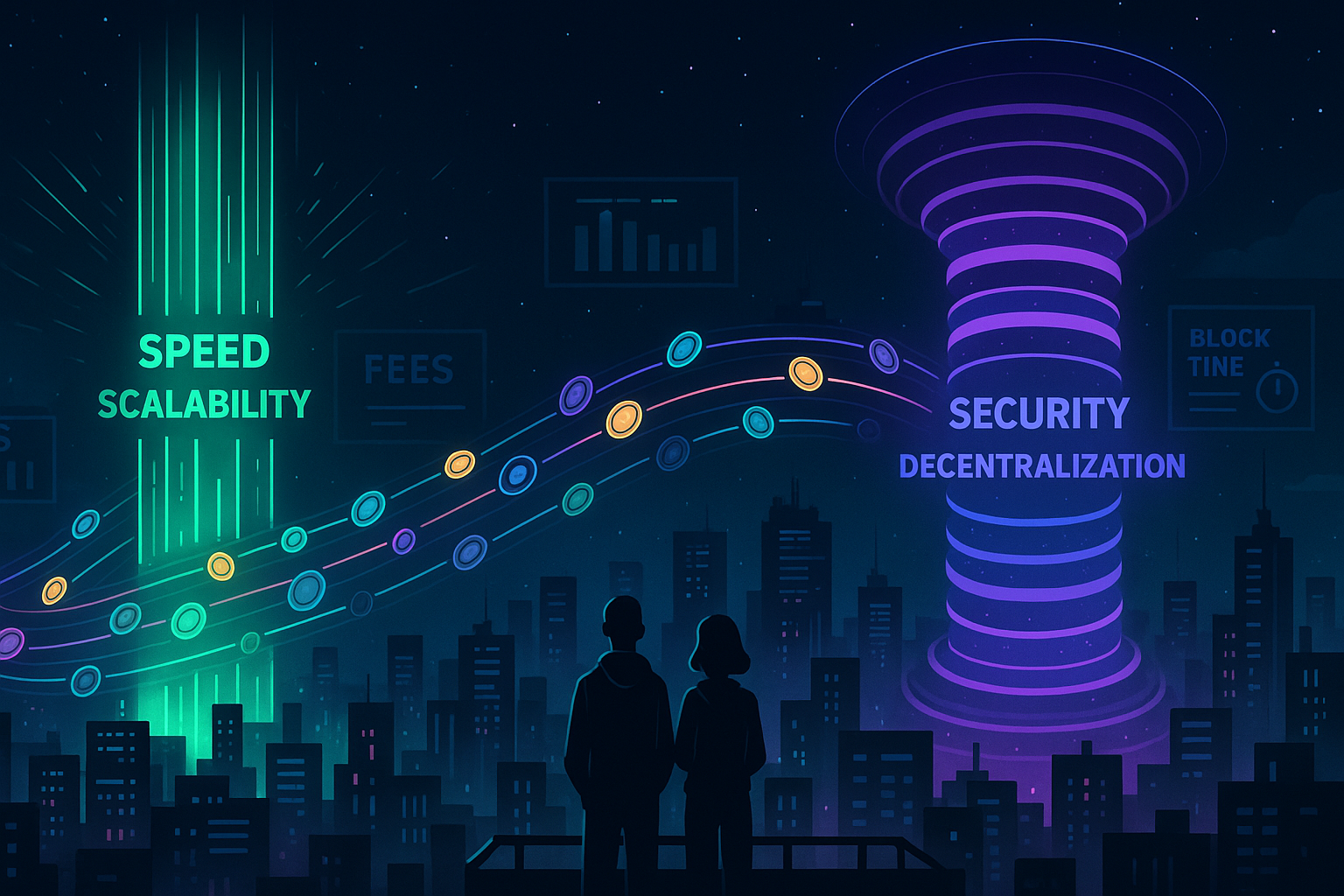
Развитие Solana в большей степени ориентировано на потребителя, фокусируясь на книгах ордеров в блокчейне, высокоскоростных децентрализованных биржах (DEX), рынках NFT и играх. Если количество пользователей Web3 вырастет на порядки, масштабируемость Solana может сделать ее сетью по умолчанию для повседневных транзакций, даже если Ethereum останется уровнем расчетов и координации.
Регуляторные и рыночные риски
Как Solana, так и Ethereum сталкиваются с неопределенностью в регулировании, особенно в отношении стейкинга, классификации токенов и соответствия требованиям протоколов DeFi. Возраст и децентрализация Ethereum могут обеспечить некоторую относительную устойчивость по сравнению с более новыми сетями, но ни одна блокчейн-сеть не застрахована от политических потрясений.
С точки зрения рынка, Solana сопряжена с большими рисками реализации из-за своей молодой экосистемы и более агрессивного технического подхода. Ethereum должен успешно завершить свою дорожную карту масштабирования и сохранить разнообразие клиентской базы, чтобы избежать давления централизации. Инвесторам следует взвешивать эти риски наряду с потенциальной доходностью и всегда проводить независимые исследования.
Во что следует инвестировать?
Профиль риска и временной горизонт
Ethereum обычно считается «голубой фишкой» среди криптовалют. Его большая рыночная капитализация, высокая ликвидность и развитая экосистема делают его ключевым активом для многих долгосрочных инвесторов. Возможно, он не предлагает такого же взрывного роста, как компании с меньшей капитализацией, но исторически он демонстрировал большую устойчивость во время рыночных спадов.
Solana имеет более высокий коэффициент бета. Ее показатели за последний год демонстрируют более резкие колебания, но она также имеет потенциал для значительного роста на бычьих рынках, если темпы внедрения ускорятся. Инвесторы с более высокой толерантностью к риску и верой в высокоэффективные монолитные цепочки могут выделить большую долю в SOL.
Портфолио Строительство
Для многих имеет смысл комбинированный подход: основная позиция в Ethereum, дополненная тактическим распределением в Solana. Точное соотношение зависит от вашей толерантности к риску, уверенности и инвестиционного горизонта. Некоторые могут выбрать соотношение 70/30 или 60/40 ETH/SOL, в то время как более агрессивные трейдеры могут склониться в сторону SOL.
Поскольку рынки быстро меняются, возможность перебалансировки между SOL и ETH на частной, некастодиальной платформе имеет большое значение. Именно здесь на помощь приходят такие инструменты, как GhostSwap, позволяющие за считанные минуты корректировать соотношение активов в двух экосистемах без отправки средств на централизованную биржу.
Как обменять Solana (SOL) на Ethereum (ETH)
Пошаговая инструкция: обмен SOL на ETH на GhostSwap
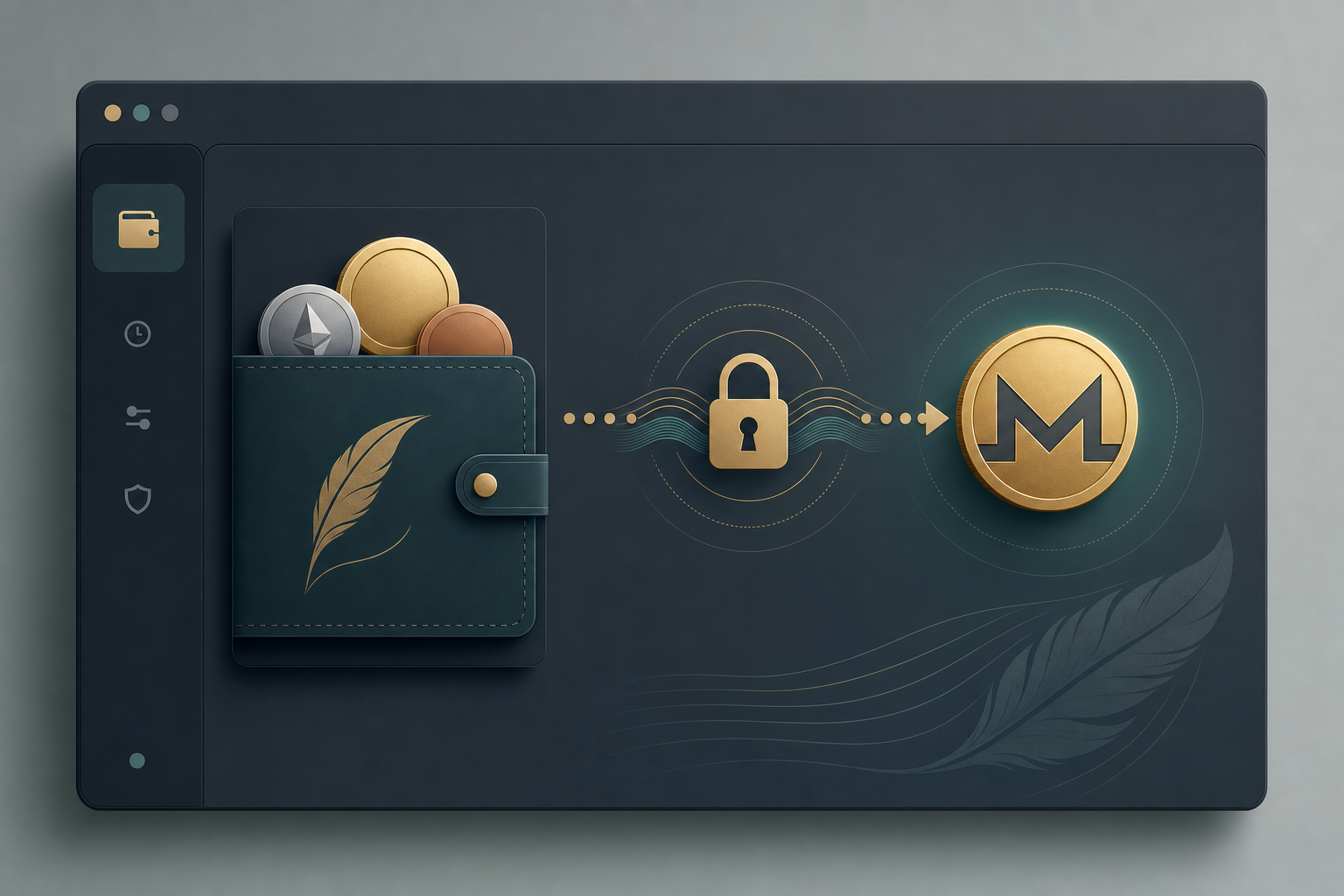
На GhostSwap вы можете мгновенно обменять SOL на ETH без KYC, регистрации аккаунта или рисков, связанных с хранением средств. Вы сохраняете контроль над своими кошельками и просто переводите активы через внутрисетевой обмен.
- Подготовьте свои кошелькиУбедитесь, что у вас есть кошелек, совместимый с Solana (для SOL), и кошелек Ethereum (для ETH), на обоих должно быть достаточно средств, а также немного дополнительных SOL/ETH для оплаты сетевых комиссий.
- Перейдите на страницу обмена SOL/ETH.Посетите специально обозначенный маршрут по адресу: Обмен SOL → ETH на GhostSwap.
- Выберите суммуВведите сумму SOL, которую хотите обменять. Интерфейс покажет приблизительное количество ETH, которое вы получите, а также текущий курс и комиссию сети.
- Введите адрес полученияВставьте адрес своего Ethereum-кошелька туда, куда вы хотите получать ETH. Тщательно проверьте этот адрес.
- Отправьте SOL по указанному адресу.GhostSwap отобразит адрес для разового пополнения счета на Solana. Отправьте туда точную сумму SOL со своего кошелька.
- Дождитесь подтвержденияПосле подтверждения транзакции в Solana и завершения обмена ваши ETH будут автоматически отправлены на ваш Ethereum-кошелек.
Поскольку GhostSwap не использует кастодиальную систему, вам никогда не нужно создавать учетную запись или вносить средства в централизованный кошелек. Вы просто совершаете разовый обмен непосредственно из своих личных кошельков. Интересует какой-либо из этих активов? Вы можете мгновенно купить SOL или ETH на некастодиальной бирже без регистрации.
Готовы обменять SOL или ETH?
Если вы хотите перейти из экосистемы Solana в Ethereum или ребалансировать свой портфель в обратную сторону, использование некастодиального обмена позволит вам контролировать свои ключи. Такие платформы, как GhostSwap, позволяют мгновенно обменивать криптовалюту между SOL и ETH без KYC и поддерживают более 1,600 торговых пар.
Часто задаваемые вопросы
Solana (SOL) лучше, чем Ethereum (ETH)?
Ни один из этих активов не является универсально «лучшим»; они преуспевают в разных областях. Solana предлагает очень быстрые и недорогие транзакции, что идеально подходит для торговли, игр и потребительских приложений, требующих высокой пропускной способности. Ethereum обеспечивает более сильную децентрализацию, более глубокую ликвидность и крупнейшую экосистему разработчиков, что делает его предпочтительным базовым уровнем для DeFi и институциональной деятельности.
Ваш выбор должен зависеть от того, что для вас важнее всего: скорость и удобство использования (Solana) или безопасность, децентрализация и зрелость экосистемы (Ethereum). Многие пользователи взаимодействуют с обеими блокчейнами и перемещают активы между ними по мере необходимости.
Сможет ли Solana (SOL) обогнать Ethereum (ETH)?
Это возможно, но далеко не гарантировано. Чтобы Solana «обогнала» Ethereum по рыночной капитализации или влиянию, ей необходимо продолжать наращивать базу разработчиков, поддерживать надежность сети и привлекать значительную ликвидность и институциональный интерес. Ее технические преимущества дают ей шансы в определенных нишах, таких как торговля в реальном времени и приложения для массового рынка.
Однако преимущество Ethereum как первопроходца, продуманная стратегия развития и сетевые эффекты существенны. Даже если Solana станет ведущей цепочкой для определенных сценариев использования, Ethereum может остаться доминирующим расчетным уровнем и якорем стоимости в более широкой криптоэкосистеме.
Стоит ли мне держать одновременно SOL и ETH?
Многие инвесторы предпочитают держать как SOL, так и ETH для диверсификации в секторе платформ смарт-контрактов. Ethereum обеспечивает доступ к наиболее развитой экосистеме Web3, а Solana добавляет потенциал для высокоэффективного роста. Такое сочетание может сбалансировать риск и потенциал роста в криптовалютном портфеле.
Со временем перебалансировка между двумя активами позволяет зафиксировать прибыль или увеличить долю, когда вы видите более выгодную позицию на одной из сторон. Некастодиальные платформы, такие как GhostSwap, упрощают эти корректировки, предоставляя частный обменный канал между SOL и ETH без необходимости создания учетных записей или прохождения процедуры KYC.
Где можно обменять SOL на ETH?
Обмен SOL на ETH возможен на различных централизованных и децентрализованных платформах. Если вы хотите контролировать свои средства, часто предпочтительнее использовать некастодиальный сервис обмена. Например, GhostSwap позволяет совершать некастодиальный обмен между SOL и ETH непосредственно из вашего кошелька, без регистрации и проверки личности.
Всегда проверяйте, что используете правильный официальный URL-адрес, перепроверяйте адреса получателей и начинайте с небольшой тестовой транзакции, если вы впервые используете новую платформу.